

Why Player Props Are the Sharpest Edge in Hockey
Last February I noticed something that kept repeating itself: a first-line winger averaging 4.1 shots on goal per game was priced at over 2.5 shots with odds that implied a coin flip. The line barely moved all week. In team sports, the sharpest money chases moneylines and totals — player props sit in a quieter corner where bookmakers dedicate fewer resources to modelling, and that creates gaps a prepared bettor can exploit.

The logic is simple. Bookmakers build their most accurate models for the markets that attract the most handle. In the NHL, that is the moneyline, the puck line and the game total. Player-level markets — shots, goals, assists, points — receive less attention, particularly for mid-tier players who do not generate headlines. The pricing on those lines often lags behind what usage data and matchup analysis clearly show.
Props also let you isolate variables. A team bet forces you to account for goaltending, special teams, schedule and a dozen other factors. A shots-on-goal prop narrows the question to one player’s role, ice time and opponent. That smaller scope makes the analysis more tractable and the edge easier to identify.
Anytime and First Goal Scorer Markets
I once sat in a pub watching the second period of an Edmonton game and realised every single person at the bar had an anytime goal scorer bet running. It is the most popular prop for a reason — it connects you to a specific moment in the match rather than a final result. But popularity does not mean the market is efficient.
Anytime goal scorer odds are derived from a player’s expected goals rate, adjusted for the opposing goaltender and defensive structure. The key variable most casual bettors ignore is deployment. A forward averaging 19 minutes a night on the top power-play unit faces fundamentally different scoring conditions than a third-liner grinding out 12 even-strength minutes. When a bookmaker prices both based heavily on season-long goals-per-game averages without weighting recent deployment changes — a promotion to the first line, a new power-play assignment — the gap between true probability and offered odds widens.
First goal scorer is a higher-variance market that I treat purely as a fun side wager rather than an analytical play. The juice is steep, the sample is tiny (one event per game), and the edge is almost impossible to quantify. If you enjoy it, keep the stake minimal.

Shots on Goal and Assists Over/Under
Shots on goal is where I spend the bulk of my props bankroll. The reason is repeatability: a top-six forward’s shot volume is far more stable game to game than his goal output. Goals involve the goaltender, deflections, posts — randomness rules. Shots depend mostly on ice time, role and system, all of which are knowable in advance.
My process starts with a player’s rolling ten-game shots-on-goal average. I compare that to the line offered, then check the opponent’s shots-against rate and how they defend the shooting zones the player favours. A left-handed winger who operates from the right circle will face a different defensive challenge against a team that collapses low versus one that plays an aggressive box. That matchup detail moves the needle more than most bettors realise.
Assists props are trickier. Primary assists correlate with skill — the pass directly before a goal. Secondary assists carry more randomness. Most bookmakers bundle both into a single assists line, which muddies the picture. I only bet assists overs when a playmaker sits on a power-play unit that converts at an above-average rate and faces a penalty kill ranked in the bottom ten leaguewide.
One practical tip: track line openings. Shots props often open softer on the morning of a game and tighten by the afternoon as sharp action flows in. Early access matters, and having accounts with multiple bookmakers lets you grab the best number before the market corrects.
Using Matchup Data to Size Up Props
Matchup analysis for props is where Corsi and expected goals data pay off at the individual level. Teams with a CF% below 48% are conceding more shot attempts than they generate — and those extra attempts do not distribute evenly. They tend to cluster against the opposing top six, who play the most minutes and operate in the most dangerous zones.
When I identify a props target, I check three matchup layers. First, the opposing team’s shots-against per game and where those shots originate. Second, the defensive pair most likely to face my target player — some defencemen allow significantly more high-danger chances than others. Third, the goaltender’s workload: a starter on the second night of a back-to-back may face more traffic simply because the team in front of him is fatigued, which inflates shot volume for the opposition.
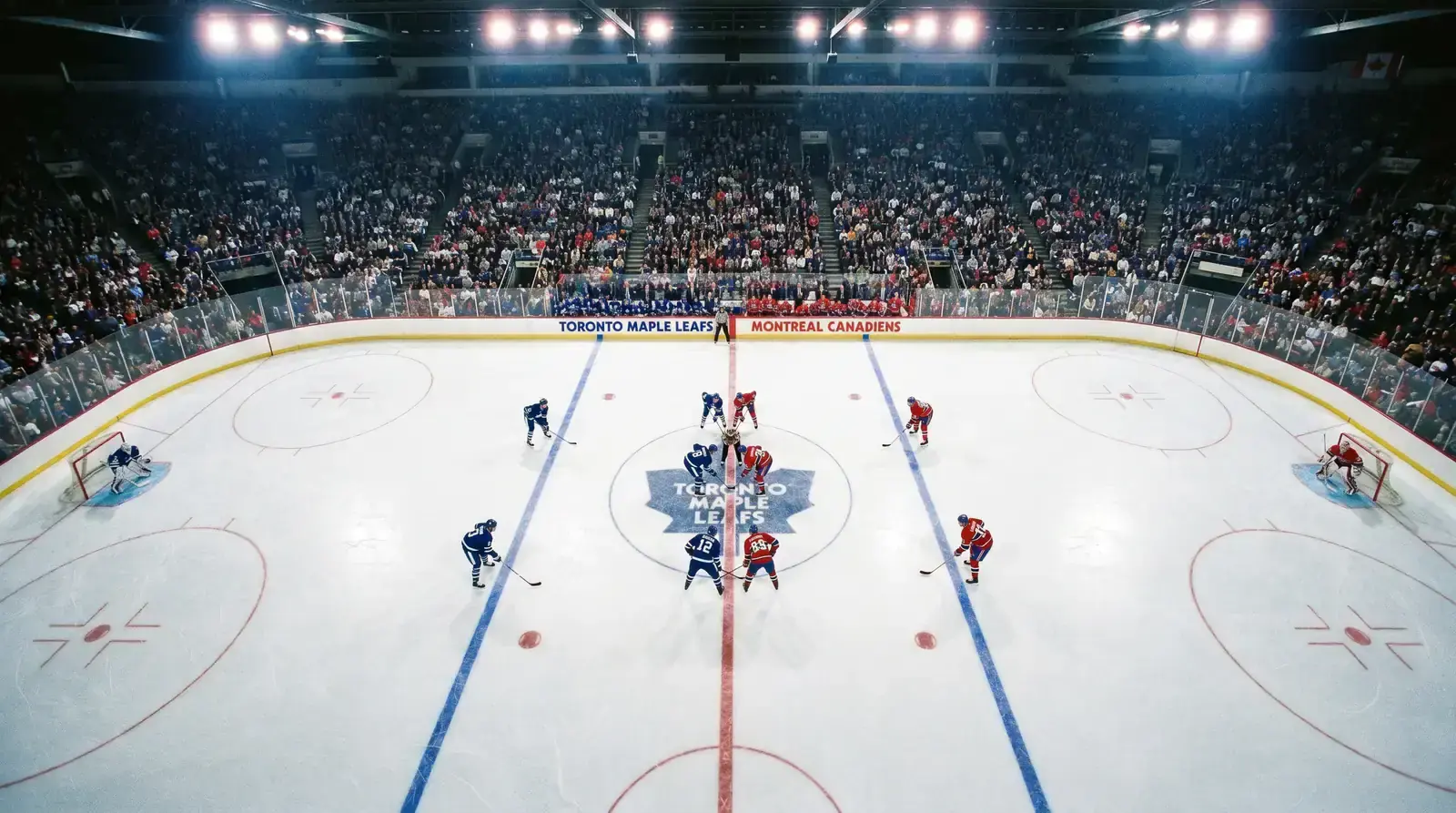
I also pay attention to venue. Home teams in the NHL win 56.6% of their games, and part of that advantage shows up in shot generation — the last change allows coaches to deploy their top line against favourable matchups more often. A player propped at over 3.5 shots at home against a weak defensive corps is a fundamentally different bet than the same player on the road against a shutdown pair.
The data is there for anyone willing to spend fifteen minutes per game. The reason props remain profitable is that most people do not bother.
Which UK Bookmakers Offer NHL Player Props
Not every UK-licensed bookmaker treats hockey props with the same depth. Football dominates the UK remote betting sector — it generated over £1.1 billion in gross gaming yield in the last reported year, dwarfing every other sport. Hockey sits in a smaller bracket, and the resources bookmakers allocate reflect that gap.
The platforms worth checking are those that list individual player markets for shots on goal, points, assists and anytime scorer across most NHL fixtures. Some restrict props to marquee matchups or nationally televised games, which limits your options midweek. A few also offer period-specific player props — first-period shots, for instance — which can be useful for targeting players who see heavy deployment in the opening frame.
My approach is to maintain accounts with at least three operators that consistently list NHL props and compare lines before placing. The difference between over 2.5 shots at 1.83 versus 1.91 does not sound dramatic, but across a hundred bets that margin compounds into a meaningful edge. Treat line shopping as part of the analysis, not an afterthought.
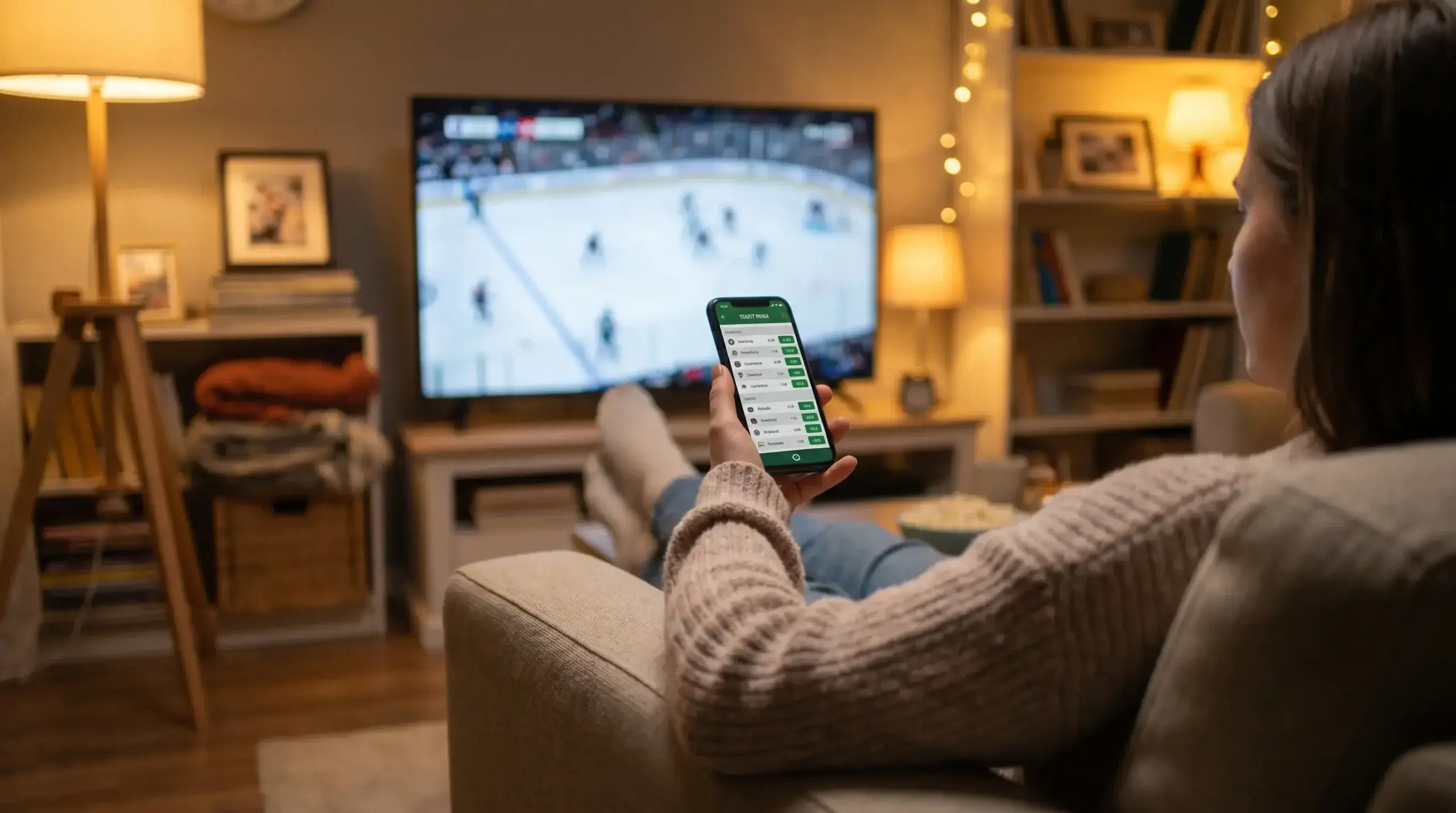
Beyond comparing prices, pay attention to how each platform displays prop markets. Some bury player lines three clicks deep; others surface them alongside the main match coupon. Speed of access matters when morning lines shift quickly, so the bookmaker that makes props easiest to find often gets your bet first.