

What a Puck Line Actually Is
If you have ever bet on football and used the Asian handicap, you already understand the puck line — you just do not know it yet. The concept is identical: one team is given a head start or a deficit on the scoreboard before the game begins, and you bet on whether they will cover that margin. In hockey, the standard line is 1.5 goals, and it changes the entire value proposition of a match.
For my first year of hockey betting, the puck line did not exist in my world. Moneyline felt safer — pick the winner, collect. But moneyline prices on heavy favourites are brutal. A team priced at 1.30 needs to win 77% of the time just to break even, and no NHL team in history has sustained that win rate over a full season. The puck line exists to rebalance that equation. Instead of backing the favourite at 1.30, you back them at -1.5 goals for something closer to 2.10, which only needs to hit 48% to be profitable. The catch is obvious: they do not just need to win, they need to win by two or more goals.
On the other side, the underdog at +1.5 can lose the game by a single goal and still win your bet. That safety net is enormously valuable in a sport as tight as hockey, where one-goal games make up close to half of all results. The +1.5 underdog does not need to pull off an upset. They just need to keep it close. And keeping it close is something bad teams do far more often in hockey than in basketball or American football, where blowouts are routine.
The puck line is available on every NHL game from every major UK bookmaker, and increasingly on EIHL fixtures too, though the depth of alternative lines varies significantly between platforms. If you are only betting moneylines, you are voluntarily ignoring half the market — and in my experience, it is often the more profitable half.
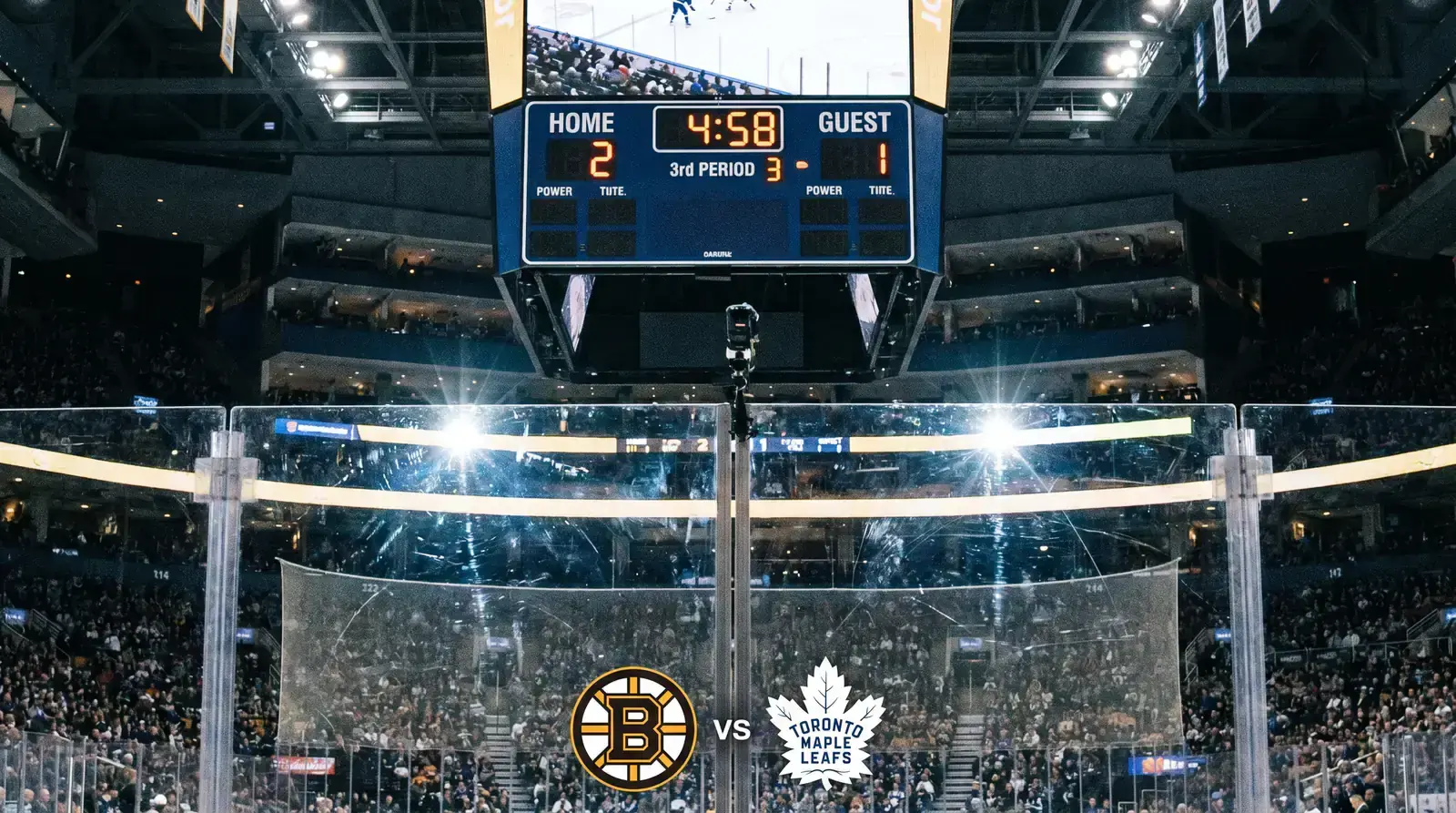
The Standard +/-1.5 Puck Line and Why It Exists
Why 1.5 and not 1.0 or 2.0? The answer lies in the scoring distribution of hockey itself. The average NHL game produces around six total goals, and the most common margin of victory is a single goal. A handicap of 1.0 would create a dead-heat scenario on every one-goal win, which is messy for bookmakers and confusing for punters. A handicap of 2.0 would make the favourite’s line almost impossible to cover in a sport where two-goal leads are regularly protected into the final buzzer. The 1.5 sweet spot splits the most common outcomes neatly: one-goal wins go to the +1.5 side, two-goal wins and beyond go to the -1.5 side.
The odds attached to each side of the standard puck line are where the real information sits. On a typical NHL game between evenly matched teams, the -1.5 favourite might be priced around 2.40 and the +1.5 underdog around 1.55. Those prices shift based on the perceived gap between the teams, goalie confirmations, injuries and public betting patterns. When a heavy favourite is playing at home, you might see -1.5 at 1.90 and +1.5 at 1.90 — essentially a coin flip in the bookmaker’s eyes on whether the margin will be one goal or two-plus.
One thing I always tell people new to puck line betting: look at the odds, not just the line. Two different games might both show -1.5, but if one is priced at 1.85 and the other at 2.60, the bookmaker is telling you very different things about the expected competitiveness of those matches. The 1.85 price implies a much higher probability of a multi-goal win, which means the favourite is expected to dominate. The 2.60 price says the game is likely to be close and the -1.5 is a long shot. Reading those prices fluently is the difference between informed puck line betting and guessing.
The data backs up a specific angle here that I come back to season after season. Across recent NHL campaigns, the +1.5 underdog — particularly on the road — covers approximately 60% of the time. That is a staggering number when you consider that the prices on offer for +1.5 road dogs often sit above 1.50. If you can identify the right subset of those games, the expected value adds up quickly. But 60% is an average across all games, not a guarantee for any individual matchup, and filtering for the right spots is what separates a profitable approach from a blunt one.
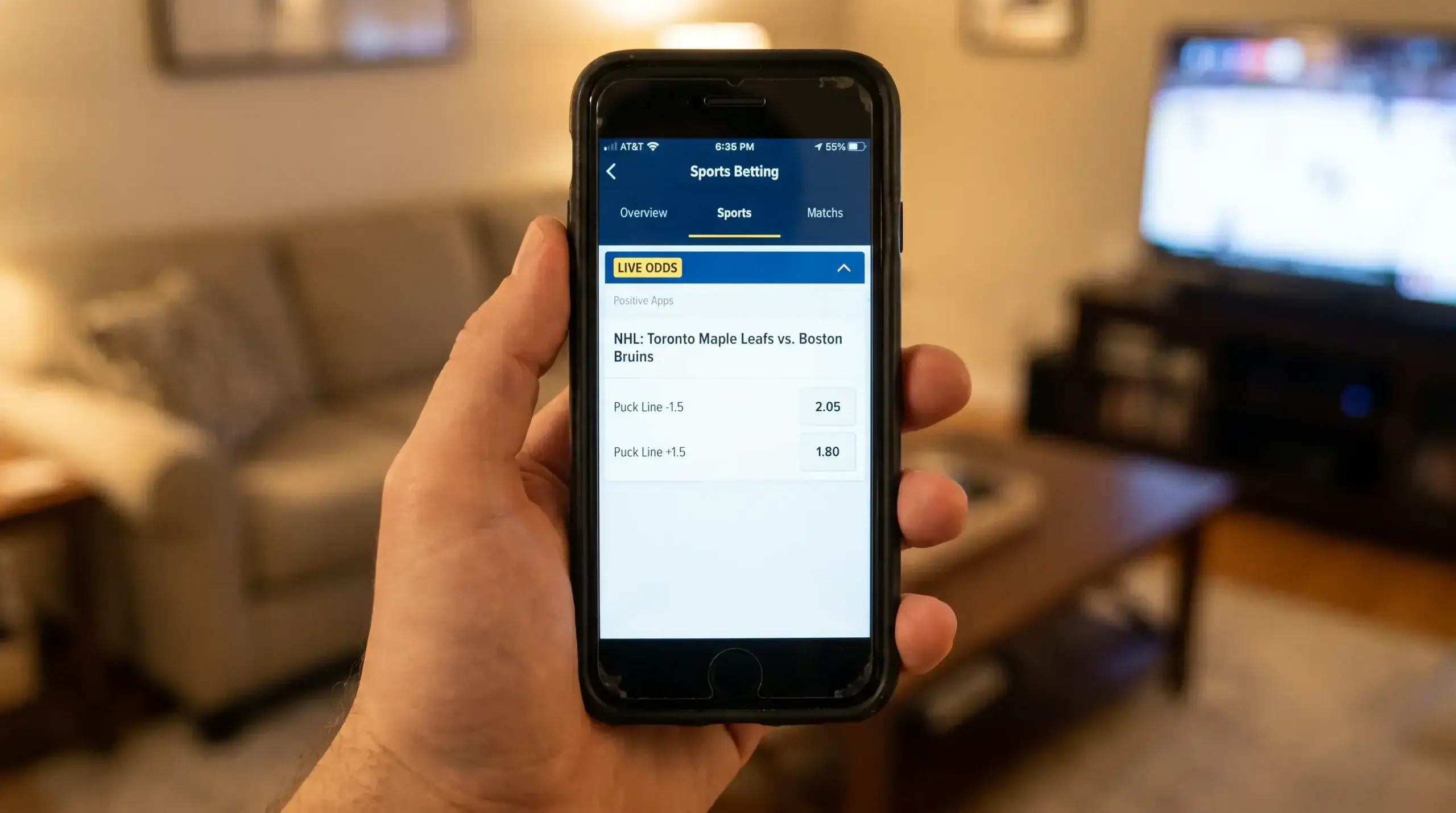
Road Underdogs and the 60 Percent Cover Rate
I remember a January evening in 2024 when I had a +1.5 puck line bet on a bottom-ten road team visiting one of the league’s best. They trailed 3-1 heading into the third period, and I had mentally written the bet off. Then they scored twice in four minutes, the game finished 3-3 in regulation, and my +1.5 cashed comfortably. That is the beauty of betting the underdog cushion: you do not need a miracle, you just need the losing team to show up.
The 60% cover rate for road underdogs on the +1.5 puck line is the single most cited trend in NHL betting circles, and it has held up across multiple seasons. The logic is rooted in how hockey works as a sport. Home teams in the NHL win around 56.6% of their games — a meaningful edge, but far from dominant. That means the away side wins 43-44% outright, and the remaining home wins are split between comfortable multi-goal victories and tight one-goal affairs. Since the +1.5 covers both outright away wins and one-goal home wins, the underdog side of the puck line captures the majority of outcomes.
But before you start blindly backing every road dog at +1.5, I need to pump the brakes. The 60% figure is an aggregate, and aggregates hide important variation. The cover rate is higher when the road underdog has strong five-on-five possession metrics, a confirmed starting goalie with a save percentage above .910, and no schedule fatigue. It drops when the underdog is on the second night of a back-to-back, when their goalie situation is uncertain, or when they are facing a home team that dominates puck possession and generates high-danger chances at an elite rate.
My filtering process for +1.5 road underdog plays starts with three questions. First: is the underdog’s ten-game rolling CF% above 48%? If they are getting outshot badly at five-on-five, the cushion of 1.5 goals is less protective because they are inviting more scoring chances against them. Second: is the confirmed starter a legitimate NHL goalie, not a third-stringer or an emergency call-up? Goaltending variance is enormous in hockey, and a weak netminder can turn a competitive game into a 5-1 rout. Third: is this a reasonable schedule spot? A rested road underdog visiting a team on the second night of a back-to-back is ideal. A fatigued underdog arriving after a cross-country flight is not.
When all three filters align, the historical cover rate climbs well above 60%, and the prices on offer — often in the 1.50-1.65 range — deliver strong expected value. I bet these spots in small, consistent units, treating them as the bread-and-butter of my puck line portfolio. They will not make you rich overnight, but they grind out profit over the course of a long season. NHL attendance hit a record 23.16 million in 2025-26 at roughly 96% arena capacity, which means home ice is louder and more intense than ever — and yet even in those packed, hostile buildings, the +1.5 underdog keeps covering at a rate that should make every bettor pay attention.

Alternative Puck Lines — +/-2.5 and Beyond
Not every game fits the standard 1.5 template, and that is where alternative puck lines come in. Most UK bookmakers now offer -2.5 and +2.5 on major NHL games, and some extend the range to 3.5 or even 4.5 for lopsided matchups. These alternative lines let you adjust the risk-reward balance to match your read on a specific game.
The -2.5 line is for games where you expect a blowout. The favourite needs to win by three or more goals, which happens in roughly 20-25% of NHL games depending on the matchup. The prices are generous — typically 3.00 or above — but the hit rate is low, so this is strictly a selective play. I use it when a top possession team with a hot goalie is hosting a bottom-feeder on the second night of a back-to-back. Even then, I keep the stake small. A 3.00 price that hits 25% of the time is marginally negative expected value before you factor in any edge, so you need a genuine reason to believe the blowout probability is higher than the market implies.
The +2.5 underdog line is the mirror: it cashes unless the favourite wins by three or more. The cover rate is high — comfortably above 70% across the league — but the odds reflect that, often sitting around 1.25-1.35. On its own, this is not a profitable bet. Where it earns its place is inside accumulators, where a string of high-probability +2.5 covers can build a ticket at combined odds that start to look interesting. I would never bet +2.5 as a single, but I frequently include it as a leg in a two- or three-fold acca when the game context supports it.
Some platforms also offer quarter-goal lines — +1.25, +1.75 — which split your stake between two adjacent handicaps. These are borrowed directly from the Asian handicap market in football and offer a middle ground when you like the underdog but are not fully committed to one side of the standard line. Availability varies: the bigger UK operators tend to carry them for marquee NHL fixtures, but you will rarely see them for mid-week games between smaller-market teams.
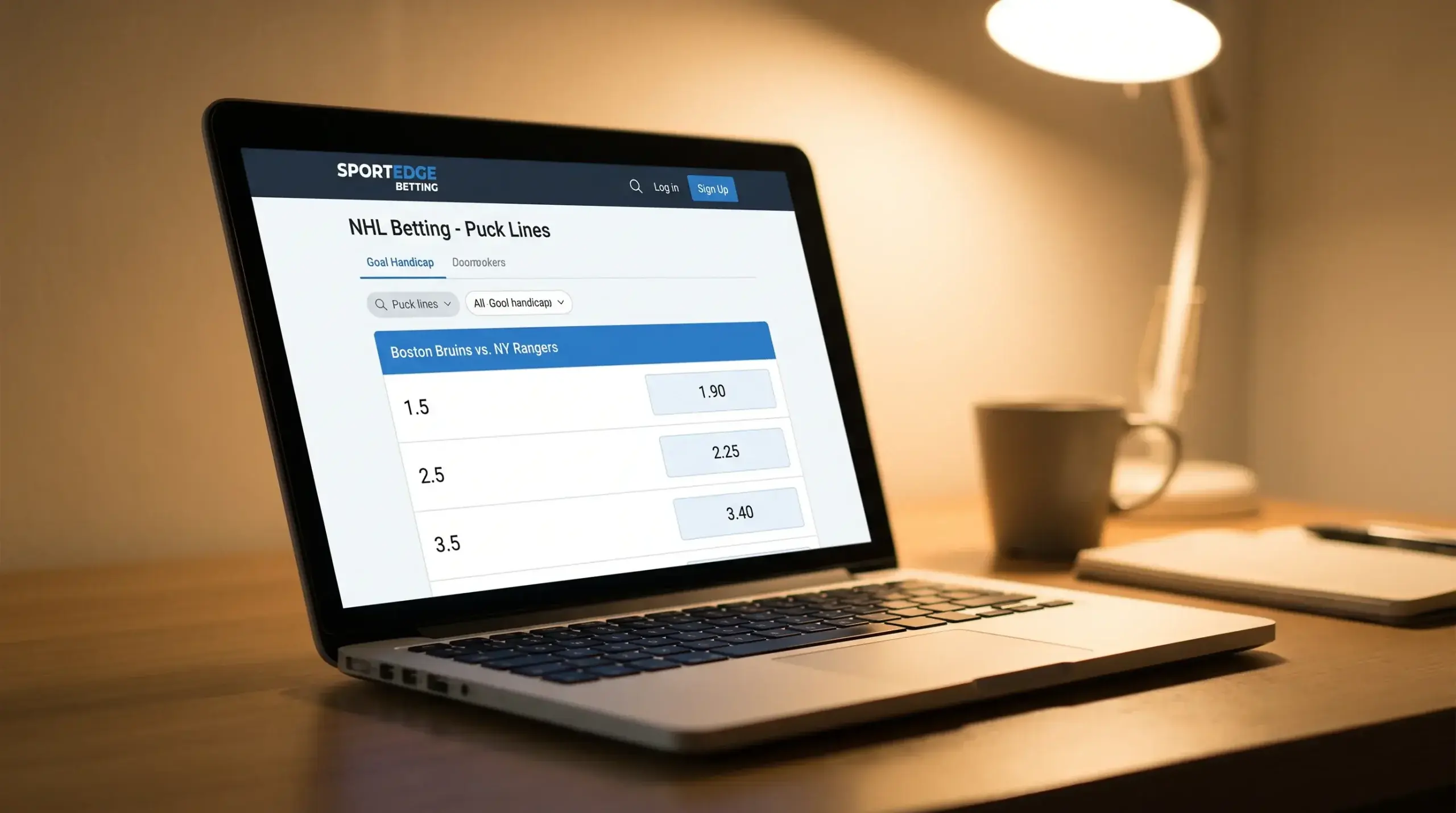
Puck Line vs Moneyline — When to Choose Which
This is the question I get asked more than any other, and the honest answer is: it depends on the game. There is no universal rule that says puck line is always better than moneyline or vice versa. The right market is the one that gives you the best expected value for your specific read on a specific matchup.
Start with the favourite’s moneyline price. If it sits below 1.45 — meaning the implied probability is above 69% — I almost always look at the -1.5 puck line instead. At those short prices, the moneyline is offering you a terrible return relative to the risk. You need the team to win nearly seven out of ten times just to break even, and that is a bar almost no NHL team clears consistently. The -1.5 puck line on the same game might be priced at 1.95-2.20, which is a far more palatable entry point. Yes, the team needs to win by two, but if you believe they are dominant enough to warrant a sub-1.45 moneyline, a multi-goal win is already implied by your thesis.
For underdogs, the calculation flips. If a team is priced at 3.00 or above on the moneyline, I look at whether the +1.5 puck line offers a better route to profit. The +1.5 might sit around 1.55, which is not exciting on its own — but it cashes far more often. A team at 3.00 moneyline is expected to win about 33% of the time, while the same team at +1.5 covers 55-65% of the time. The question becomes: do you want a low-probability, high-reward play, or a high-probability, modest-reward play? My answer depends on my staking plan for that week and how much of my bankroll is already allocated to long-shot bets.
No position in hockey influences outcomes quite like goaltending — a hot goalie can single-handedly steal games while a struggling netminder can sink the best teams. When I am deciding between markets, the goalie matchup often tips the scale. If the underdog has a proven starter in net and the favourite is going with a backup, I lean toward the moneyline because an outright upset is live. If both teams have strong goaltending, the game is more likely to be tight, which favours the +1.5 puck line.
I also consider the broader NHL betting strategy framework I outlined for possession-based analysis. A team that dominates five-on-five shot metrics but has been losing tight games is a classic puck line candidate: they are generating enough pressure to keep games close, which means the +1.5 covers even when the wins do not come.

In-Play Puck Line Opportunities
Live puck line betting is where I have had some of my best nights — and a few of my worst. The volatility of in-play hockey markets is extreme because goals change the scoreboard in an instant and the puck line resets with every lamp-lighting. If you can stay disciplined, that volatility is an asset.
The setup I look for most often is a strong favourite that falls behind early. Say a team priced at -1.5 before the game concedes a goal in the first five minutes. The live puck line will shift dramatically — the -1.5 price might jump from 2.10 to 3.50 or higher — because the market is reacting to the scoreboard rather than the underlying quality gap. If my pre-game analysis said that favourite was the better team, one early goal against does not change the fundamentals. I re-enter at the inflated live price, knowing the favourite’s possession metrics, goaltending and special teams still give them a strong chance of winning by two or more once the game settles.
The third period is where live puck line bets reach their peak. It is the highest-scoring period in the NHL — teams push harder as fatigue sets in and desperate trailing sides pull their goalie for an extra attacker in the final minutes. That empty-net dynamic creates a cascade of late goals that can turn a one-goal game into a two- or three-goal final margin within sixty seconds. If I am holding a -1.5 on a team leading by one in the third, I often hedge by placing a small bet on the +1.5 at the live price. If the game stays tight, the hedge limits my loss. If the leading team scores an empty-netter and my original -1.5 cashes, the hedge cost is trivial. It is not glamorous, but it is effective risk management.
The key discipline with live puck line betting is to have your targets written down before the game starts. I note the prices at which I would re-enter a -1.5 or top up a +1.5, and I do not deviate during the game. The emotional pull of live betting — chasing a reversal, doubling down after a bad break — is the fastest way to destroy a bankroll. Set your prices, wait for the market to come to you, and execute without negotiation.

Common Puck Line Mistakes and How to Avoid Them
I have made every mistake on this list at least once, so consider this a catalogue of scars rather than a lecture. The most expensive error in puck line betting is backing the -1.5 favourite without checking the goaltending matchup. A team can dominate possession, outshoot their opponent 40-20, and still lose 2-1 if their goalie lets in a soft one and the opposing netminder stands on his head. Before placing any -1.5 bet, I confirm the starting goalies for both teams and check their recent save percentages. If the favourite is starting a backup and the underdog has their number one, I either move to the moneyline or skip the game entirely.
The second mistake is chasing -1.5 on heavy home favourites without considering the game state. When a good team takes a two-goal lead at home, they often shift into a defensive shell to protect the margin rather than pressing for a third. That conservative approach means the final score stays at 2-0 or 3-1 rather than ballooning to 4-1 or 5-2. If the -1.5 price implies a 50% chance of a two-goal win, ask yourself whether that team actually plays to extend leads or tends to sit back. Watching hockey, not just reading the stats, matters here.
Third: ignoring the empty-net factor when sizing puck line bets on unders. If you have taken the under on total goals and also hold a -1.5, a late empty-net goal can cash the puck line but bust the totals bet. These bets can work at cross purposes, and I have learned to check for correlation before combining them in accumulators.
Fourth, and this is a trap that catches even experienced bettors: assuming the puck line is always available at competitive prices. Some UK bookmakers offer thin puck line markets on less popular NHL fixtures, with wide overrounds that eliminate any edge. If the best -1.5 price you can find is 1.80 when your model says the fair price is 2.00, the value is not there regardless of how confident you feel about the result. Discipline means passing on bad prices even when the analysis supports the pick.
