

Betting Should Be Fun — Here Is How to Keep It That Way
I have been betting on hockey for nine years, and the hardest lesson came early — not from a bad bet, but from watching a friend lose control. He started with the same analytical approach I use, tracking models and managing stakes. Within a season he was chasing losses, borrowing money and lying about how much he was spending. The transition was gradual enough that neither of us noticed until the damage was done.
Gambling participation in the UK runs at around 48% of the adult population, and sports betting specifically accounts for 10% of those surveyed. Most people bet without problems. But “most” is not “all,” and the gap between controlled entertainment and harmful behaviour is smaller than anyone thinks it will be when they start. The responsible gambling tools available to UK bettors are genuinely useful — but only if you activate them before you need them, not after.
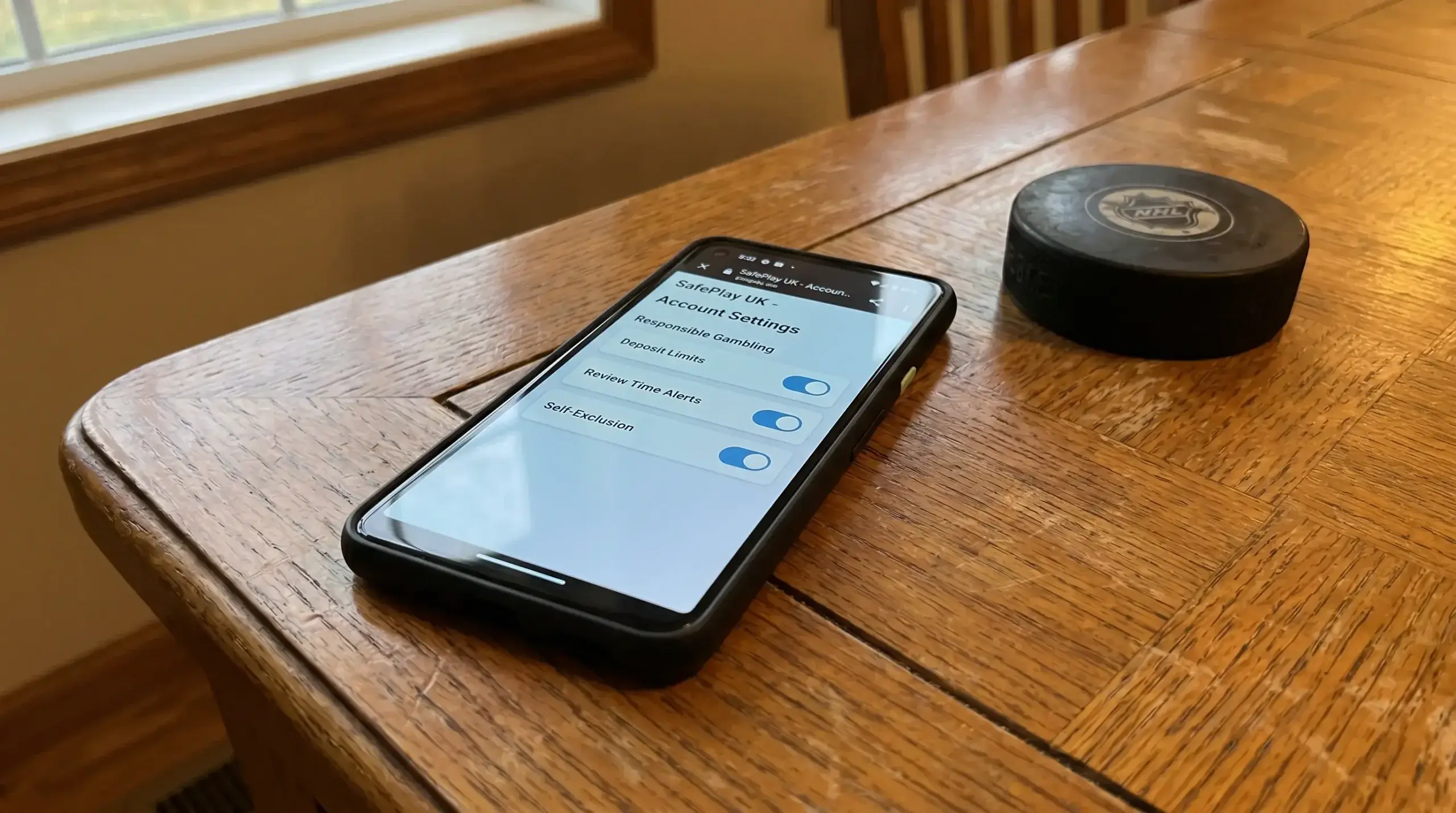
UK Responsible Gambling Tools You Should Activate
Every UK-licensed bookmaker is required to offer a set of player protection tools. Deposit limits, loss limits, session time reminders, cooling-off periods and self-exclusion are standard. In the US, 84% of bettors in a recent survey were aware of at least one responsible gambling tool, and 91% of those who used credit limits rated them as effective. The UK’s framework is at least as robust, and activating these tools takes less time than placing a bet.
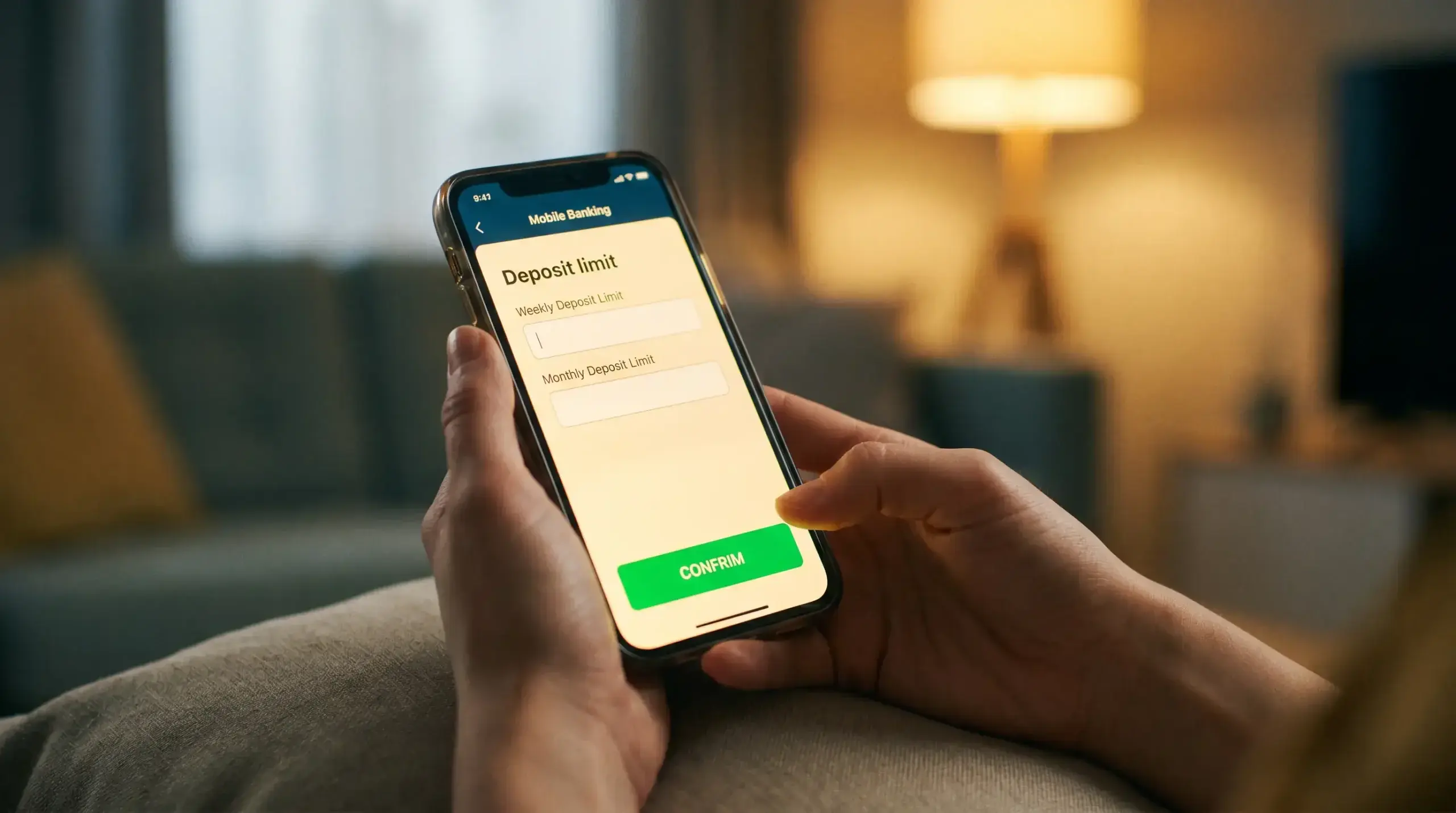
Deposit limits are the most powerful first line of defence. Setting a weekly or monthly cap on how much money you can add to your account removes the possibility of impulsive top-ups during a losing streak. I set mine at the start of every season and do not adjust it mid-month regardless of results. The limit is based on disposable income — money I can lose without affecting any other part of my life. If that number is zero in a given month, I do not bet that month.
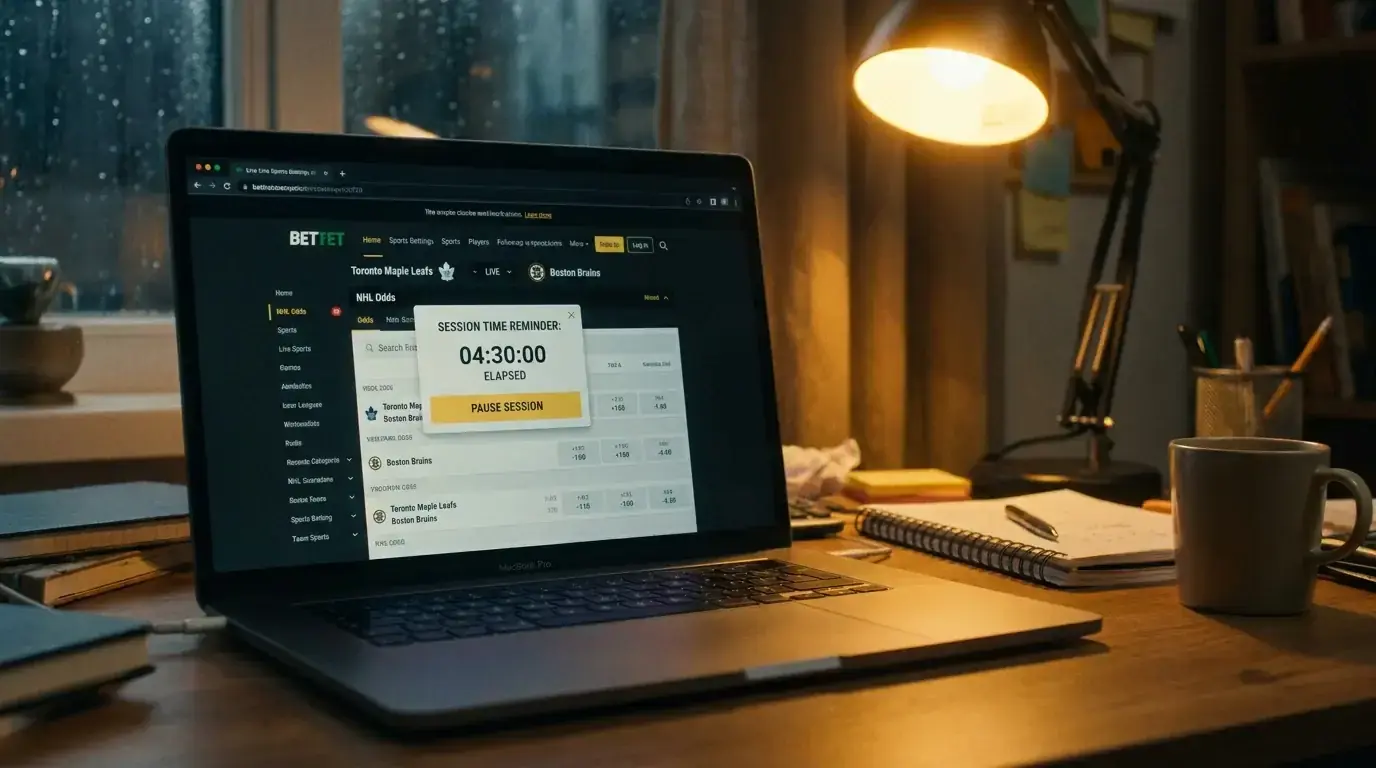
Session time reminders are underrated. Hockey betting during a full NHL slate can become absorbing, and hours pass without you noticing. A sixty-minute reminder pops up, you check how much you have staked, and you make a conscious decision to continue or stop. That moment of forced reflection interrupts the autopilot mode that drives most harmful betting behaviour.
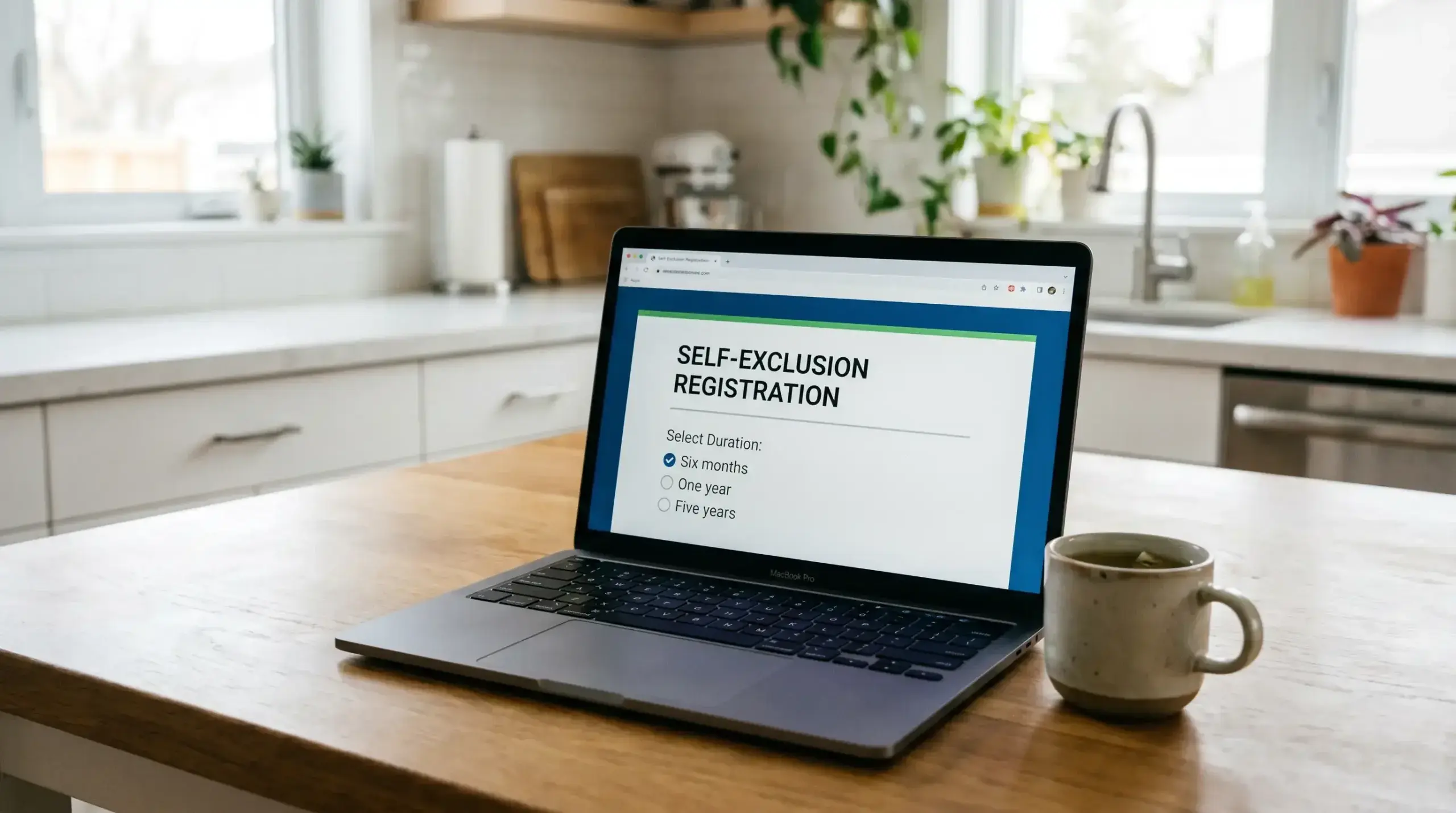
Cooling-off periods and self-exclusion are for when the other tools are not enough. A 24-hour cooling-off period locks you out of your account for a day — useful after a bad night when you know your judgement is compromised. Self-exclusion through GAMSTOP covers all UK-licensed operators simultaneously and can be set for six months, one year, or five years. It is the nuclear option, and it works precisely because it removes the choice from your hands.
The common objection is that these tools feel patronising — “I’m in control, I don’t need limits.” I used to think the same thing. Then I watched the friend I mentioned lose four months’ salary in a fortnight. The tools are not for the person you are today. They are for the person you might become on a terrible night when the losses compound and your discipline fails. Setting them up while you are thinking clearly is insurance against the version of yourself who is not.
What GambleAware Research Says About Betting Ads
A landmark randomised controlled trial funded by GambleAware produced a finding that should unsettle every bettor who sees it: some gambling industry adverts designed to promote safer gambling are instead increasing gambling behaviour. Nearly half of the study’s respondents said the adverts presented gambling as harmless entertainment rather than a risk activity. The very messages intended to protect you can, in certain formats, encourage you to bet more.
The implication is not that all safer gambling messaging is counterproductive — some formats and framings were neutral or positive. But the research punctures the assumption that a “gamble responsibly” tagline at the end of a flashy advert serves as a genuine warning. The tagline is part of the advert’s emotional architecture, and your brain processes it as reassurance, not caution.

Andrew Rhodes, formerly of the UK Gambling Commission, spoke directly to operators on this point, urging them to harness the same innovation and tools used to determine customer profitability to drive customer protection instead. That quote tells you where the incentive gap sits: the industry’s analytical power is overwhelmingly directed at revenue, not at keeping you safe. Which means keeping yourself safe is your own responsibility — and the tools described above are how you exercise it.
Warning Signs and Where to Get Help
The warning signs of problem gambling are well documented, but they are easier to recognise in someone else than in yourself. Betting more than you can afford. Borrowing money to fund bets. Hiding your betting activity from family or friends. Feeling anxious or irritable when you cannot bet. Chasing losses with increasingly reckless stakes. If any of these apply, the most important step is the simplest: talk to someone.
The UK has 8,148 licensed gambling premises and 191,325 gaming machines as of late 2025 — the industry’s physical and digital footprint is vast, and stepping away requires active effort. GambleAware’s helpline and the National Gambling Helpline provide free, confidential support. GAMSTOP offers self-exclusion from all online operators. Local counselling services accessible through the NHS can provide longer-term support for anyone experiencing gambling-related harm.
I do not treat responsible gambling as a footnote or a regulatory checkbox. It is the foundation that everything else in this guide sits on. The analytics, the strategies, the staking plans — all of them assume a bettor who is in control. If control slips, none of the rest matters. Protect the foundation first.
For the practical side of protecting your betting funds, the bankroll management guide covers staking plans, drawdown limits and monthly budgeting frameworks designed to keep your hockey betting sustainable.