

Why the Third Period Is the Highest-Scoring
I was watching a mid-January game between two mid-table sides, scoreless after forty minutes, when the third period erupted for five goals in eleven minutes. My live bet on over 1.5 third-period goals cashed with time to spare. That pattern is not a fluke — the third period consistently produces the most goals in the NHL, and the reasons are structural, not random.
Fatigue is the obvious driver. Sixty minutes of skating at NHL pace drains even the fittest athletes, and defensive structure is the first casualty. Gaps appear between forwards and defencemen, backchecking loses a half-step, and goaltenders who have faced thirty-plus shots begin to lose the sharpness that kept the first two periods tight. The body cannot sustain peak concentration for a full game, and the third period is where that truth shows up on the scoresheet.
Desperation compounds the effect. A team trailing by one with ten minutes left will pull its goaltender early, push its top forwards onto the ice for extended shifts, and sacrifice defensive positioning for offensive zone pressure. The team protecting the lead, meanwhile, absorbs shots and waits for the empty net. Both behaviours produce goals — the trailing side from volume, the leading side from breakaway opportunities against an unmanned cage. No position in hockey influences outcomes quite like goaltending, and when the netminder leaves the crease entirely, the equation flips to pure attack.

The Numbers Behind Late-Game Surges
Rather than relying on a single season’s data, I track third-period scoring trends across rolling three-year windows. The pattern holds remarkably well: third periods produce more goals per minute than either the first or second frame. Live-betting over 1.5 goals in the third period has shown positive returns across multiple seasons when the entry point is chosen carefully.
Two situational factors inflate the numbers further. First, back-to-back games. Teams playing the second night of a back-to-back concede significantly more third-period chances due to accumulated fatigue — their legs simply are not there for the final twenty minutes. Second, games involving Western Conference road trips that cross two or more time zones. The visiting team’s internal clock reads later than the local time, and the performance drop in the third period is measurable.
I cross-reference these factors with the game’s live state at the second intermission. A one-goal game entering the third is the sweet spot: the trailing team has enough incentive to chase, and the leading team is not comfortable enough to turtle completely. Blowouts going into the third — three-goal leads or more — often produce fewer goals because the trailing team has mentally conceded and the leader eases off. Selectivity in entry conditions is what turns a general observation into a repeatable edge.
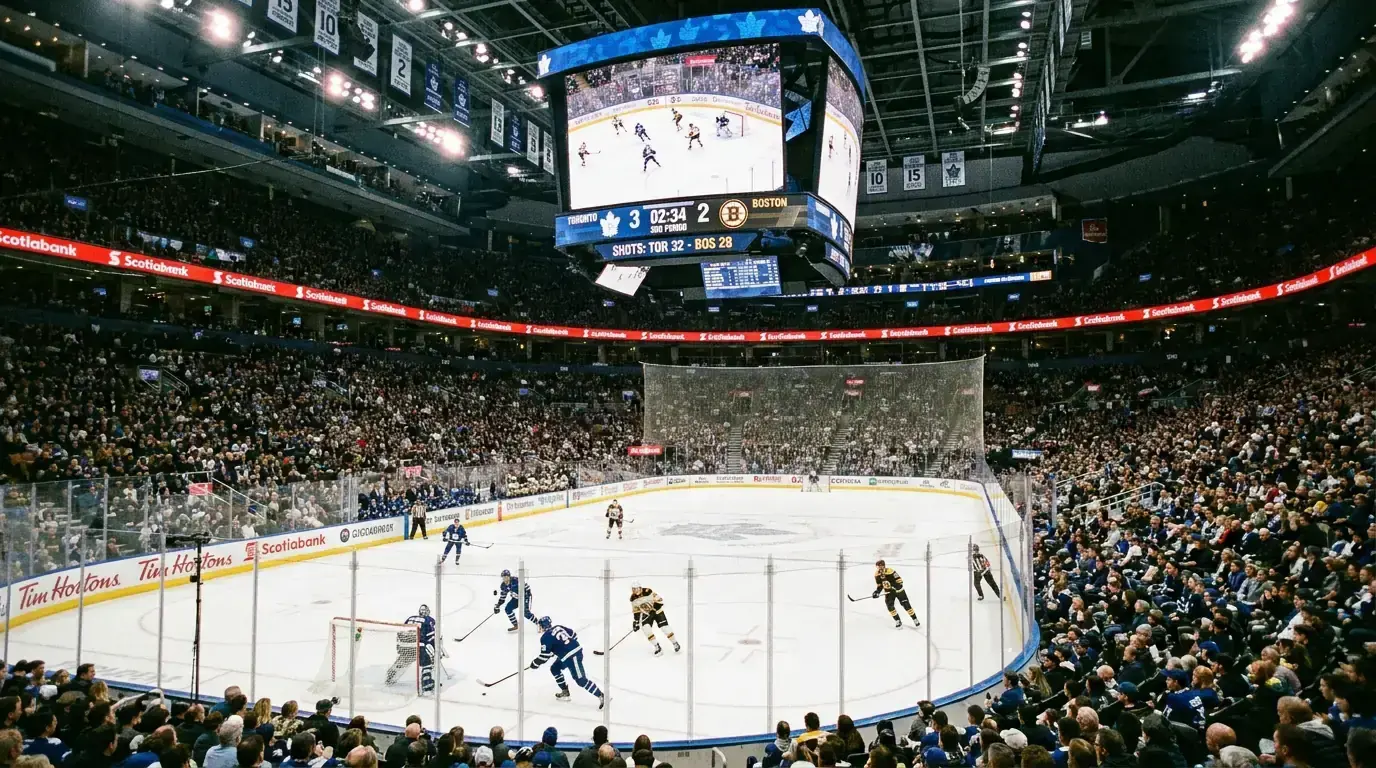
When to Place a Third-Period Over Bet
Timing separates the profitable live bettors from the recreational ones. The optimal window for a third-period total bet opens during the second intermission, before the bookmaker has fully adjusted lines based on the first forty minutes of play. Once the third period starts, odds react to every shift in momentum — a power play, a breakaway, a goaltender change — and the value shrinks rapidly.
I set alerts for games that meet three criteria entering the second intermission: a one-goal margin, combined shots on goal above fifty, and at least one team on the second night of a back-to-back. When all three align, the probability of a high-scoring third period rises above the baseline, and I place the bet before the puck drops for the final frame.
There is a counter-argument worth acknowledging: some tight defensive games stay tight. Two elite goaltenders in a 1-0 contest through two periods can produce a scoreless third if both sides respect the margins. My filter for this is goaltender save percentage on the night — if both starters are above .940 through forty minutes, I skip the game regardless of other factors. The data says third periods are explosive, but not when two netminders are operating at their peak.

For more on reading live markets and momentum shifts, the live betting strategy guide covers the broader mechanics of in-play hockey wagering.
The Empty-Net Factor and Its Effect on Totals
Empty-net goals are the single most underappreciated variable in hockey totals betting. When a team pulls its goaltender — typically in the final two minutes of a one-goal game, sometimes earlier in desperate situations — the expected goals rate per minute spikes dramatically. A six-on-five attack generates roughly double the scoring chances of five-on-five play, and the defending team has a clear shooting lane at an open cage from anywhere beyond centre ice.
In the 2024-25 season, empty-net goals accounted for a non-trivial share of total league scoring, and they cluster almost entirely in the third period. Bookmakers incorporate this into their pre-game totals, but live lines during the second intermission sometimes lag behind the true probability, especially in games where the expected game state — a narrow margin heading into the final period — is not yet confirmed.
I track which teams pull their goaltender earliest and most aggressively. Coaches with a reputation for early pulls — some begin the six-on-five attack with three minutes remaining rather than the traditional ninety seconds — create additional goal-scoring opportunities in both directions. If one of those coaches is trailing entering the third, the over becomes even more attractive because the empty-net window is longer.
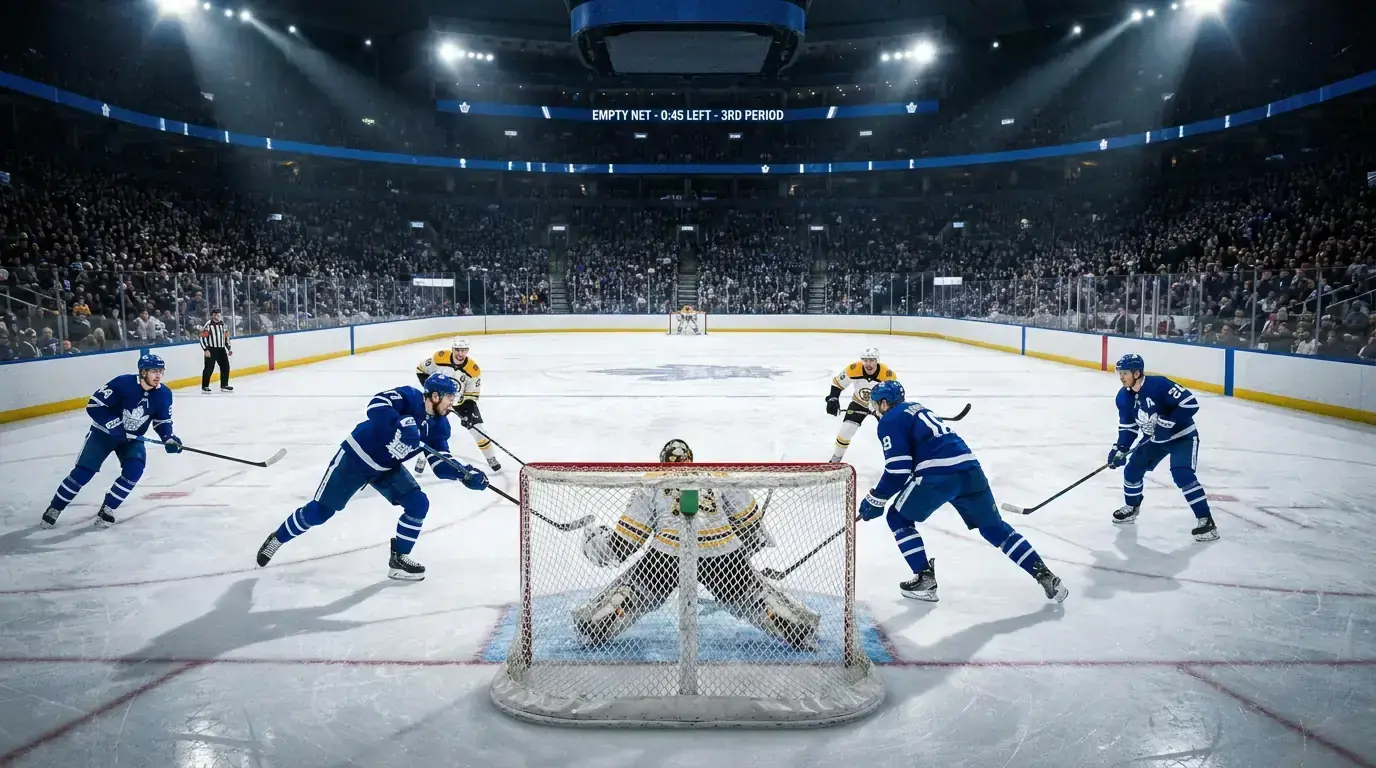
One more wrinkle: some bookmakers settle period totals excluding empty-net goals, while others include them. The settlement rule changes the bet’s value entirely. A third-period over that includes empty-netters is a fundamentally different proposition from one that does not. I check the rules before every live bet — it takes seconds and prevents a winning game from becoming a voided or losing ticket.