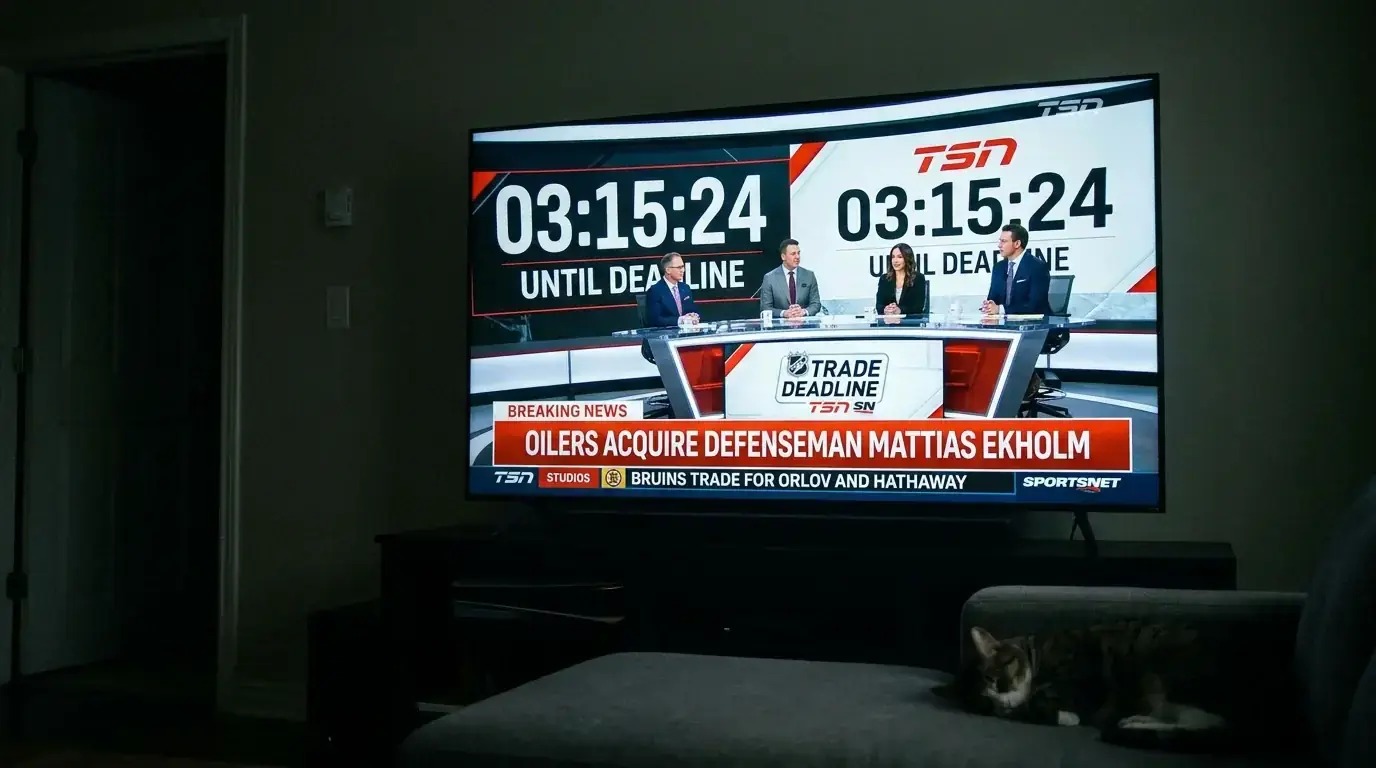

The Most Volatile Week on the Betting Calendar
March 7, 2025. I was monitoring odds on a Western Conference contender when their moneyline for that evening’s game shortened by 20 cents in the space of ten minutes. No injury news, no goaltender change — just a rumour on social media that the team was about to acquire a top-six forward. The trade was confirmed an hour later, and the line moved again. That sequence — rumour, price shift, confirmation, second shift — plays out dozens of times across the league during trade deadline week, and each movement is a potential edge for the prepared bettor.
The NHL trade deadline is the most information-dense period of the betting calendar. Teams that have been stable all season suddenly add or subtract key players, and the market scrambles to price the changes. The salary cap for 2025-26 sits at $95.5 million, and the projected jump to $104 million for 2026-27 means teams have been more aggressive in acquiring rental players — knowing the cap flexibility coming down the road. That aggressiveness produces more trades, larger trades, and more volatility in the betting lines surrounding them.

Pricing New Players Into the Lineup
When a contender acquires a rental scorer, the market reacts instantly to the name recognition. A big-name forward joining a playoff team shortens that team’s nightly moneyline and its Stanley Cup futures within hours. But the market often overestimates the immediate impact of a trade-deadline addition.
New players need time to integrate. Learning a coach’s system, building chemistry with linemates, adjusting to a new defensive structure — all of this takes games, not hours. The data shows that trade-deadline acquisitions typically underperform their career averages in the first five to seven games with their new team, then gradually ramp up to expected production levels. The market prices the addition as if it is immediately impactful, which creates a window where the acquiring team is slightly overvalued.
I fade the acquiring team in their first three to four games after a major deadline acquisition, looking for moneyline value on their opponents. The edge is narrow — perhaps 2-3% — but it is repeatable and backed by integration data across multiple deadline cycles. After a week, the new player has typically settled in and the market’s pricing catches up to reality. The value disappears, and I move on.
Conversely, the selling team — the one that traded away its best player — often drifts in the market beyond what the loss justifies. A bottom-ten team that sheds a top-line winger but retains competent goaltending and a functional defensive structure is still capable of winning individual games, especially against opponents who assume the trade signals a complete collapse. These “seller bounce” games have been quietly profitable in my tracking.

Futures Repricing and the Information Cascade
Stanley Cup futures are where trade-deadline activity creates the largest price movements. A team that adds a proven goal scorer and a rental defenceman in the same week can see its Cup odds shorten by 200-400 basis points overnight. Conversely, a team that sells its goaltender and two forwards might see its odds drift beyond what any bookmaker would have priced pre-deadline.
The cascade works like this: insiders leak a rumour, sharp bettors move on the futures price, the price shortens, casual bettors see the shorter price and interpret it as validation (“the market thinks they are better now”), and more money flows in. By the time the dust settles, the team’s Cup odds may have overshot their true probability because the information cascade created its own momentum.
I place deadline-related futures bets in two specific windows. The first is before the deadline, when I anticipate a trade based on publicly available information (cap space, reported interest, pending free agents). The second is 48 hours after the deadline, when the initial cascade has run its course and the market begins to recalibrate. Prices in that second window occasionally offer better value than the pre-deadline price because the immediate overreaction has created room for correction.
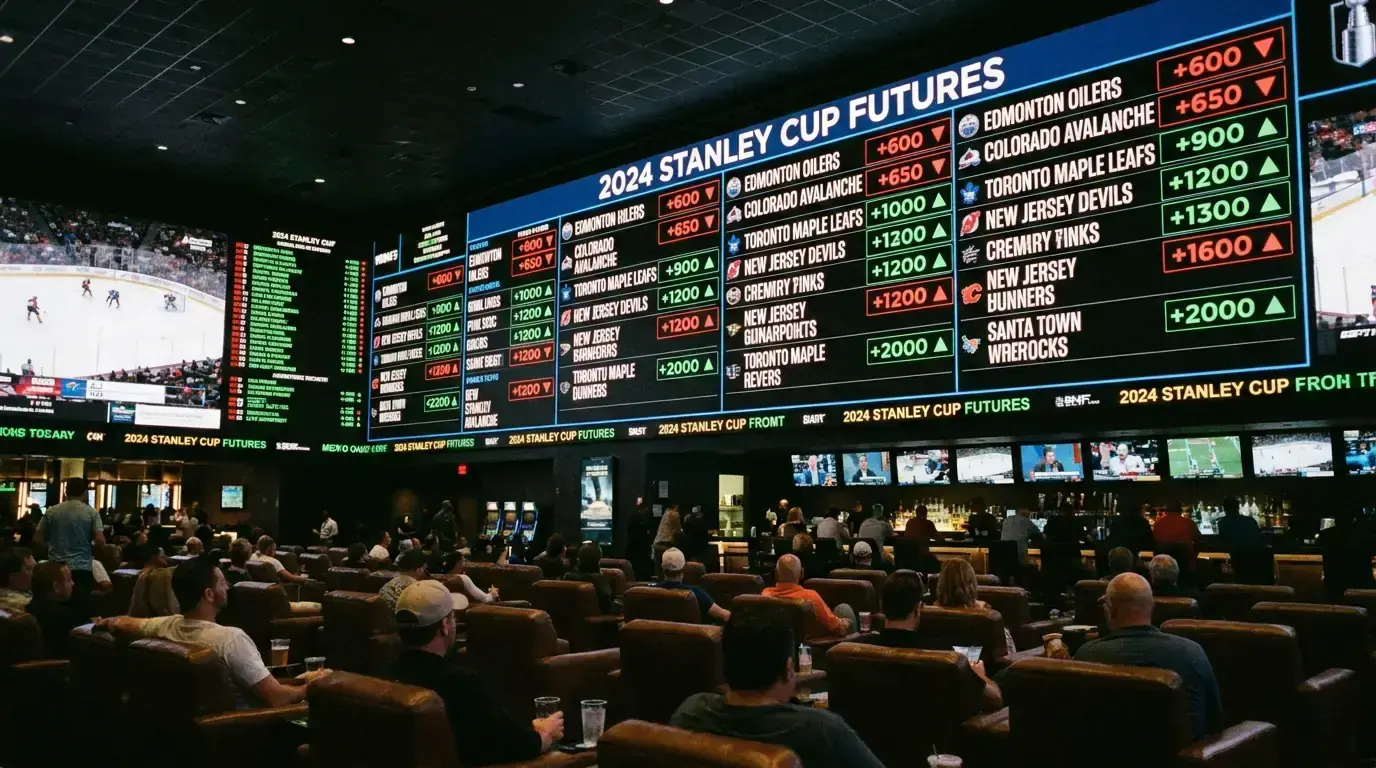
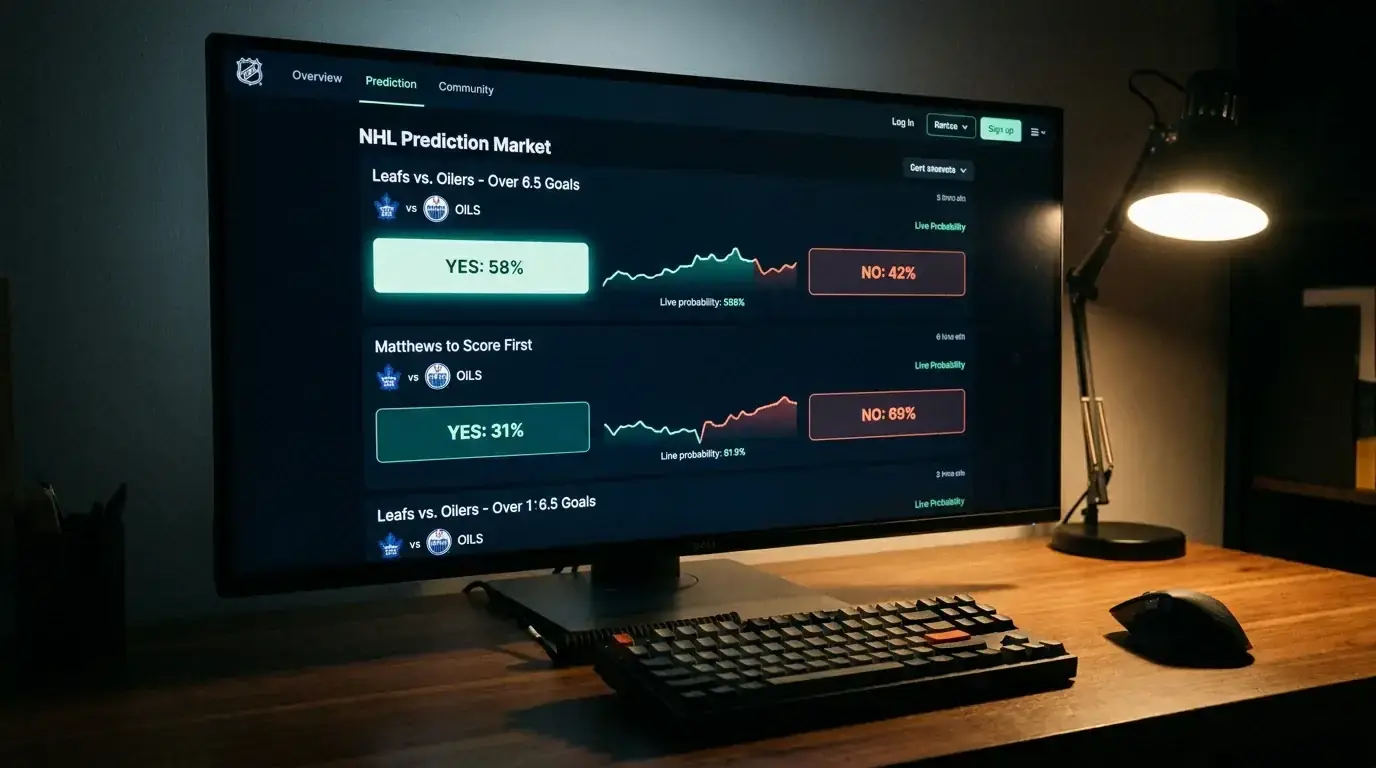
The NHL’s 75-plus corporate sponsors and its expanded betting partnerships — including the October 2025 deal with Kalshi for event-based contracts — have accelerated information flow around deadline trades. Tarek Mansour of Kalshi described the partnership as bringing a new type of fan engagement to hockey, and that engagement means more eyes on roster moves, faster price adjustments, and a shorter window for bettors to capture mispriced futures.
Which Deadline Moves Matter Most for Bettors
Not all trades carry the same betting weight. A fourth-line grinder changing teams barely moves the needle. The trades that reshape the betting landscape involve three categories of player: starting goaltenders, top-four defencemen, and top-six forwards with power-play roles.
Goaltender trades are the most impactful because goaltending is the single largest variable in game outcomes. A team acquiring a proven playoff starter transforms its outlook overnight in ways that forwards and defencemen cannot match. The problem is that goaltender trades at the deadline are rare — teams are reluctant to move their number one unless the return is exceptional. When one does happen, the price movement is dramatic and fast. Being alert to the possibility, with futures positions already sized for a potential goaltender move, is the only way to capture the value before it evaporates.
Defencemen trades affect the nightly betting lines more subtly. A shutdown pair addition improves five-on-five expected goals against by a measurable margin, but the market often adjusts the moneyline by less than the expected impact because casual bettors focus on offence. I look for acquiring teams whose moneyline has not fully incorporated the defensive improvement, particularly in their first home games after the deadline when the new defenceman has had time to practise with the system.
The Stanley Cup futures guide covers the broader framework of when and how to place futures bets throughout the season, with the trade deadline representing the second of three optimal windows.