
Why Ice Hockey Moves Faster Than Live Odds Can Follow
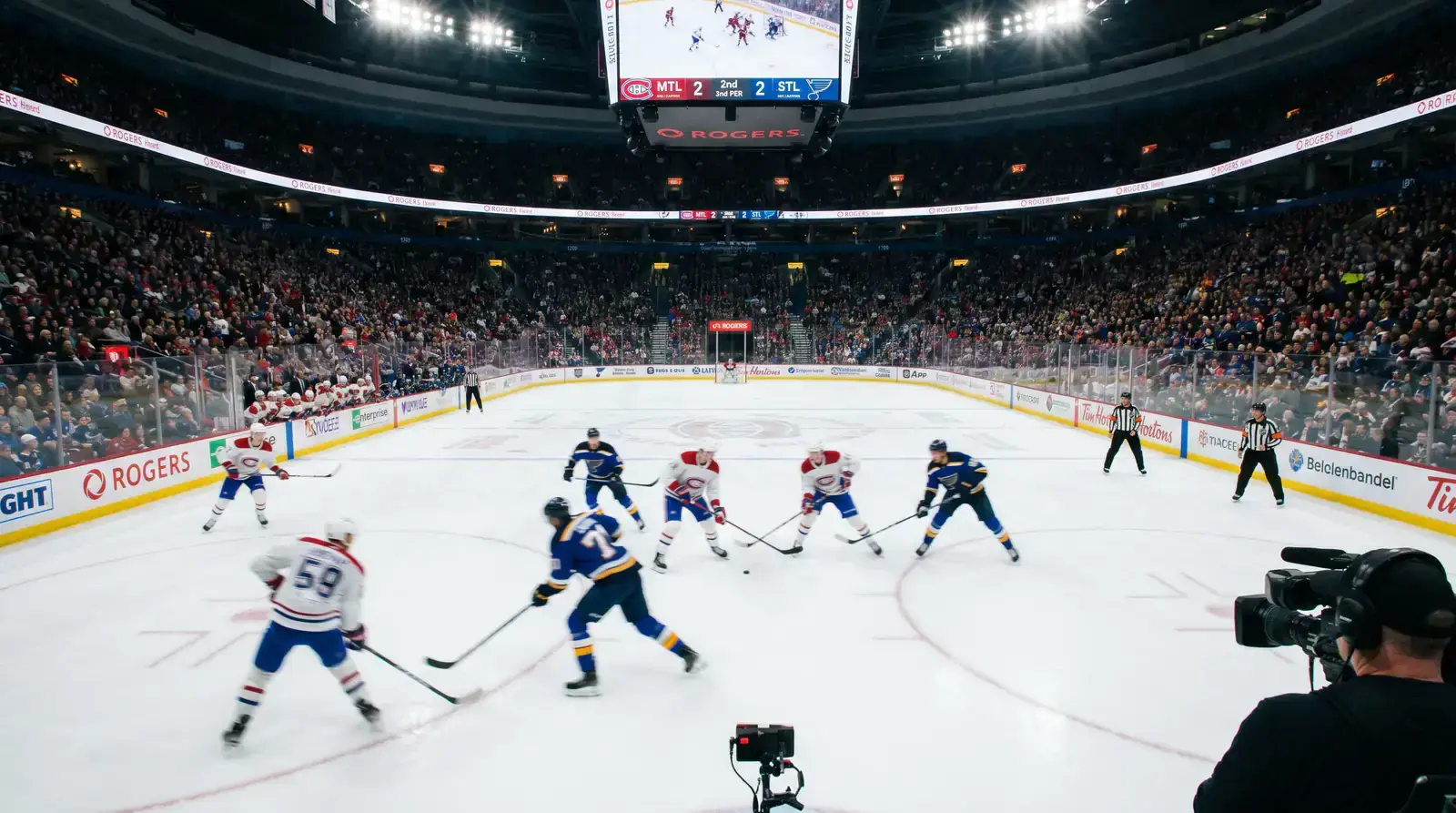
I was watching a Wednesday night NHL game last February — second period, 1-1, nothing special on the surface. Then within ninety seconds: a tripping penalty, a power play goal, a fight at the faceoff, and another goal off the ensuing rush. The scoreboard went from 1-1 to 3-1 faster than I could refresh my betting app. By the time the live odds caught up, the value window had slammed shut. That is hockey. Goals arrive in clusters, momentum swings are violent, and the live market is perpetually half a step behind the action.
That lag is why I believe in-play hockey betting offers a bigger edge than pre-game markets for anyone willing to watch the games. Approximately one billion euros is wagered on hockey globally each year, and a growing slice of that action comes through live markets. Yet the algorithms that power live odds are calibrated primarily on scoring events — goals and penalties — and they struggle to capture the subtler shifts that experienced eyes can read in real time: a team winning the neutral zone battle, a goalie looking shaky on his glove side, a penalty kill unit that is gassed from back-to-back kills.
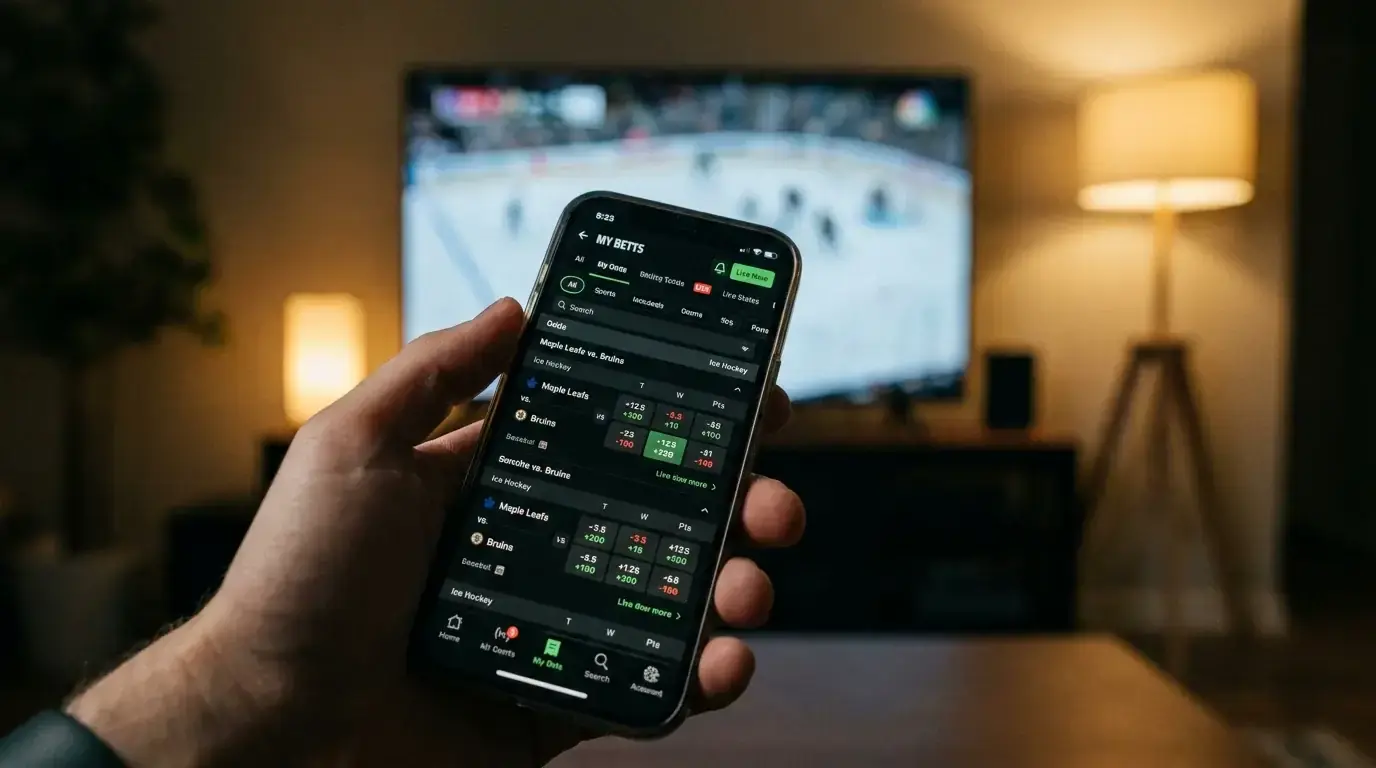
The speed of the sport is both the opportunity and the risk. You cannot deliberate for five minutes the way you might with a pre-game bet. You see the spot, you check the price, you act or you pass. Hockey shifts last forty-five seconds. A power play lasts two minutes. A goalie pull might last ninety seconds before the empty-net goal or the equaliser. Every window is brief, and the market adjusts as soon as the event it was slow to anticipate actually happens. This piece is about building a framework for those split-second decisions so they are rooted in preparation rather than impulse.
How In-Play Hockey Markets Work
Every goal, penalty and stoppage triggers an automatic recalculation of live odds. The algorithms use the current score, the time remaining, the pre-game implied probabilities, and in some cases live shot data to generate new prices. What they do less well is incorporate qualitative factors: a team that is dominating shots but failing to score will still be priced primarily on the scoreboard, not on the shot clock.
Live markets for NHL games typically include the match winner (moneyline), next goal scorer, period winner, period totals, and puck line. The depth depends on the bookmaker and the profile of the game — a Saturday night nationally televised fixture will carry far more live markets than a Tuesday matinee between two non-playoff teams. For EIHL fixtures, live coverage is improving but remains thinner: match winner and basic totals are standard, but period-specific markets and props are spotty.
Latency matters. The odds you see on your screen are typically one to three seconds behind the actual feed, which means a goal that has just been scored may not yet be reflected in the price. Most platforms suspend betting the moment a goal is confirmed, but there is a brief window — sometimes as short as half a second — where the pre-goal price is still displayed. Attempting to exploit that window is a fool’s errand on a consumer platform; the bet will be voided or rejected. The real edge is not in speed but in anticipation: reading the game state and having your price target ready before the market-moving event happens.
Intermissions reset the live market entirely. The first and second intermissions are the best time to assess what you have seen and place a bet for the upcoming period, because the market is temporarily static and you can think without the pressure of live play. I do most of my in-play betting during intermissions rather than mid-period for exactly that reason. You have seventeen minutes between periods to review shot data, check for injuries that may not have been announced during play, and calculate whether the current live total aligns with what the game is producing. Those seventeen minutes are the most valuable time in any live betting session.
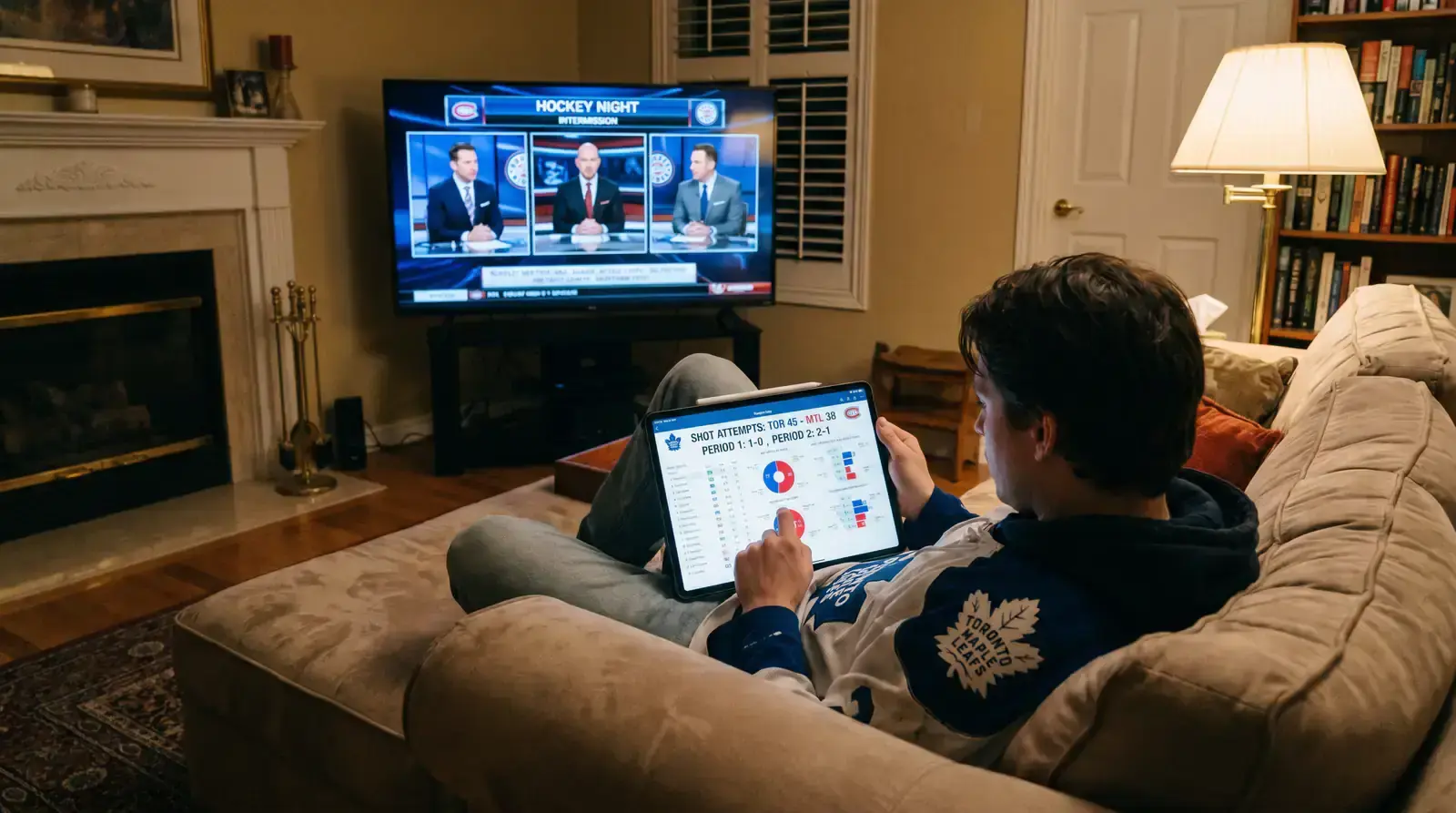
One pattern I have noticed over years of live hockey betting: the algorithm tends to overreact to first-period goals and underreact to second-period shot trends. A team that scores first often sees their live moneyline compress too aggressively, as though one goal in a sixty-minute sport is decisive. Meanwhile, a team that dominated shots in the second period without scoring sees almost no price improvement heading into the third. That mismatch is where I find most of my intermission value.
Period Betting — Where the Edges Live
I have a note pinned to my monitor that says “third period overs.” It has been there for three seasons and it has not steered me wrong yet. The third period is the highest-scoring period in the NHL — teams push harder as fatigue accumulates, coaches shorten benches, and trailing sides take increasingly reckless risks to force a comeback. An over 1.5 goals in the third period is the single live bet I place most frequently across the season.
Period betting splits the game into three separate markets: first period winner, second period winner, third period winner, and period totals for each. These markets are priced independently, which creates opportunities when the bookmaker’s period-level odds do not align with the full-game odds. For instance, if the full-game total is set at 6.0 and the first period total is 1.5, the remaining 4.5 goals are expected across the second and third periods — but the third period historically produces more than the second. If the second period finishes low-scoring, the third-period over becomes even more attractive because the game needs to “catch up” to the full-game projection, and that catching up tends to happen in the final twenty minutes.
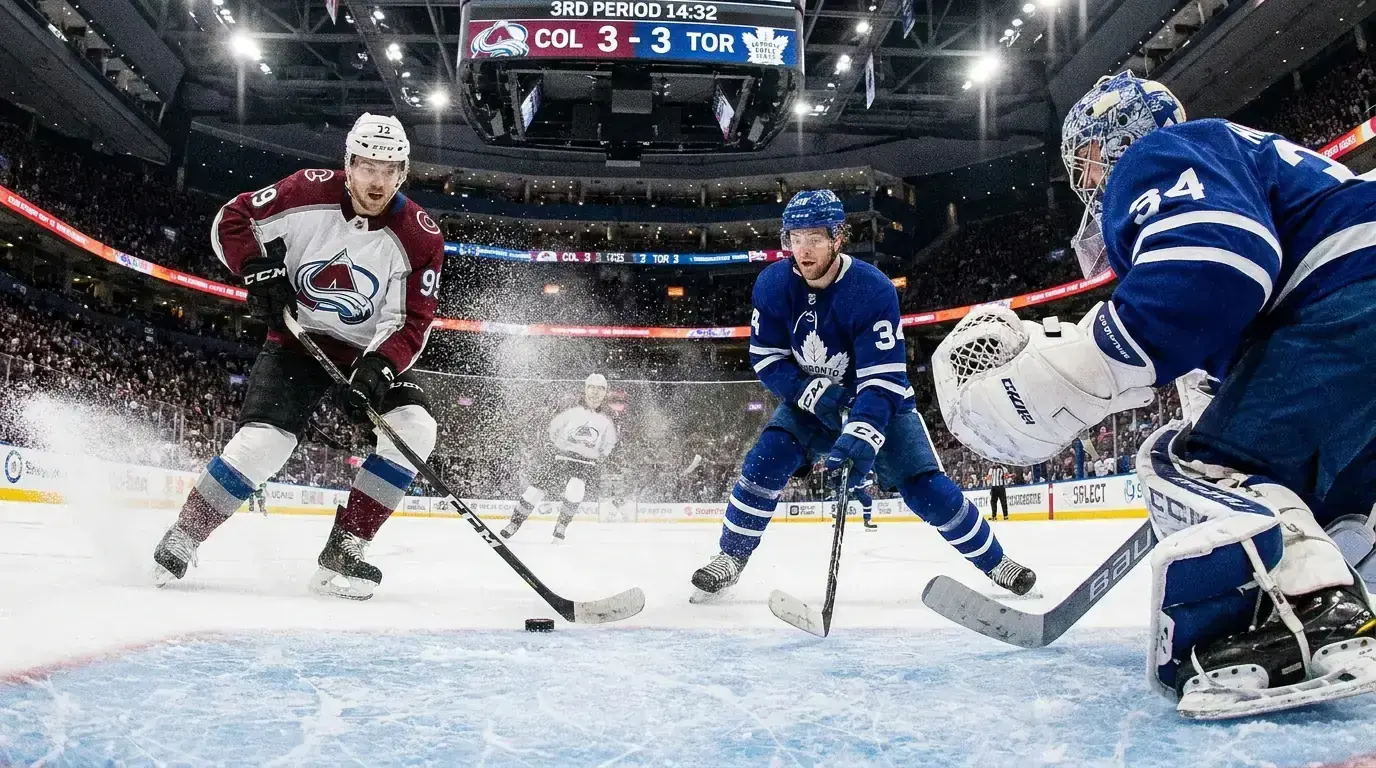
First period unders are the mirror play. The first period is typically the most cautious phase — teams feel each other out, goaltenders are fresh and sharp, and coaches are reluctant to take early risks that might put them behind. I find value in first period under 1.5 goals when both teams are defensively structured and the goaltending matchup features two starters with save percentages above .915. The odds are modest — usually around 1.70-1.85 — but the hit rate is reliable enough to grind out small, steady profits.
I wrote a detailed breakdown of the third-period over goals strategy with specific data and timing advice if you want to go deeper on this angle.
Reading Momentum Shifts for Profitable Entries
Momentum in hockey is not a myth, but it is not magic either. It is a measurable shift in territorial control — shot attempts, zone entries, time spent in the offensive zone — that precedes scoring. The tricky part is that the live odds do not react to momentum until it produces a goal. That delay is your window.
Here is what I watch for. A team that is trailing 1-0 but has generated twelve shot attempts to their opponent’s three over the past six minutes of play is building pressure that the scoreboard does not reflect. If the live moneyline still has them as a significant underdog based on the 1-0 deficit, I consider a bet on them — either moneyline or next goal. The shot attempt data is available in real time through most game trackers, and it gives you an information edge over the algorithm that is anchored to the score.
Power plays create the most dramatic momentum windows. A penalty that puts the trailing team on the power play can shift the expected goals for the next two minutes dramatically, but the live odds adjust only partially until a goal is actually scored. I watch for situations where a strong power play unit gets a man advantage in the second or third period of a close game. If the odds on “next goal” for that team are still generous relative to their PP conversion rate, I bet.
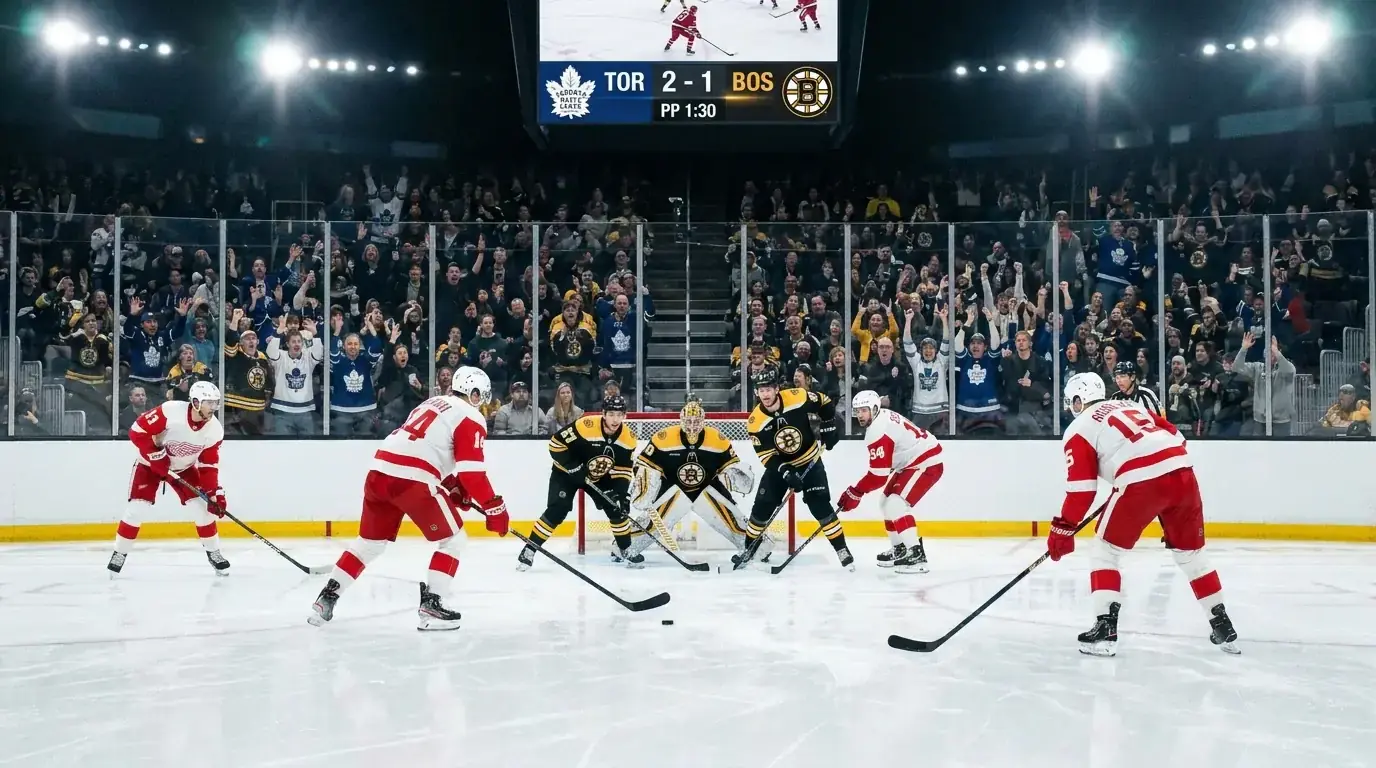
The flip side: momentum can evaporate instantly. A team dominating possession can give up a breakaway goal against the run of play, and suddenly the market resets. That is why I never overcommit to a single in-play read. Each live bet gets a fixed stake — usually half my standard pre-game unit — because the variance is higher and the decision-making pressure is more intense. The smaller stake keeps me clearheaded.
I keep a simple real-time log during games I am live-betting. Three columns: time, shot attempts since last bet, and live moneyline price. If I can see a team accumulating shot attempts at double the rate of their opponent over a sustained stretch, and the live price has not moved significantly, that is my signal. I do not need the shot data to be perfect or comprehensive — just directionally accurate. Most NHL broadcast feeds and third-party game trackers update shot attempts in near-real-time, which is good enough for this purpose. The key is having the data open alongside the betting platform so you can cross-reference what you are watching with what the numbers show.
The Goalie-Pull Window — Late-Game Chaos and Opportunity
With two minutes left on the clock and a one-goal deficit, the trailing team’s coach pulls the goaltender for an extra skater. Six attackers against five defenders, an empty net at one end, and a stretch of hockey that produces goals at an absurd rate. This is the goalie-pull window, and it is the most chaotic — and most profitable — phase of any live betting session.
A hot goalie can single-handedly steal games, but when that goalie is on the bench, the equation changes completely. The trailing team generates high-danger chances at an accelerated pace because they have an extra attacker, but every cleared puck becomes a potential empty-net goal for the leading side. The result is that goals in either direction become dramatically more likely, which means the live total shoots up and the next-goal market becomes a near coin flip at attractive odds.
My preferred play in the goalie-pull window is “next goal — leading team” at odds that typically sit between 1.60 and 1.90. The leading side has the empty net to shoot at from anywhere past centre ice, and roughly 40-45% of goalie-pull situations result in an empty-net goal rather than an equaliser. The odds overestimate the trailing team’s chances because the narrative — “they pulled the goalie, they are going all out” — is more dramatic than the reality. The leading team is under less pressure and only needs to hit a six-foot-wide target from distance.

Timing is everything. The goalie pull usually happens between the 1:00 and 2:30 mark of the third period in a one-goal game. I have my app open, the next-goal market loaded, and my target price written down. When the pull happens, I wait five to ten seconds for the market to settle and then place the bet if the price meets my threshold. No deliberation, no second-guessing. NHL attendance hit 23.16 million this season at 96% capacity, and the energy in those final two minutes is deafening even through a broadcast — but the numbers, not the noise, are what drive the bet.
Managing Your Bankroll During a Live Session
Here is the uncomfortable truth about live betting: it is addictive. The speed of the game, the constant price movement, the dopamine hit of a correct read — it all conspires to make you bet more often and more recklessly than you planned. I know because I have been there, and the night I placed eleven live bets on a single NHL game was the night I imposed strict session rules on myself.
Rule one: I set a session cap before the first game starts. On a typical evening with two or three NHL games on the slate, my cap is four live bets total. Not four per game. Four total. If the first game produces two opportunities that meet my criteria, I place them and then watch the remaining games with a capped budget of two more bets. The cap forces selectivity.
Rule two: every live bet is half a unit. My standard pre-game bet is one unit, and I never exceed that on any single live wager regardless of how confident I feel in the moment. The reduced stake accounts for the higher variance and the impaired decision-making that comes with real-time betting. If a spot feels so strong that I want to bet a full unit, that feeling itself is a warning sign that I am reacting emotionally.
Rule three: I never chase within a game. If my first live bet on a match loses, I do not place a second bet on the same game to try to get it back. The temptation is enormous — “the team that let me down is now trailing, the comeback price is huge” — but chasing within a game is the fastest path to a blown bankroll. One game, one live bet (two at most if I planned for a hedge in advance). Move on to the next opportunity.
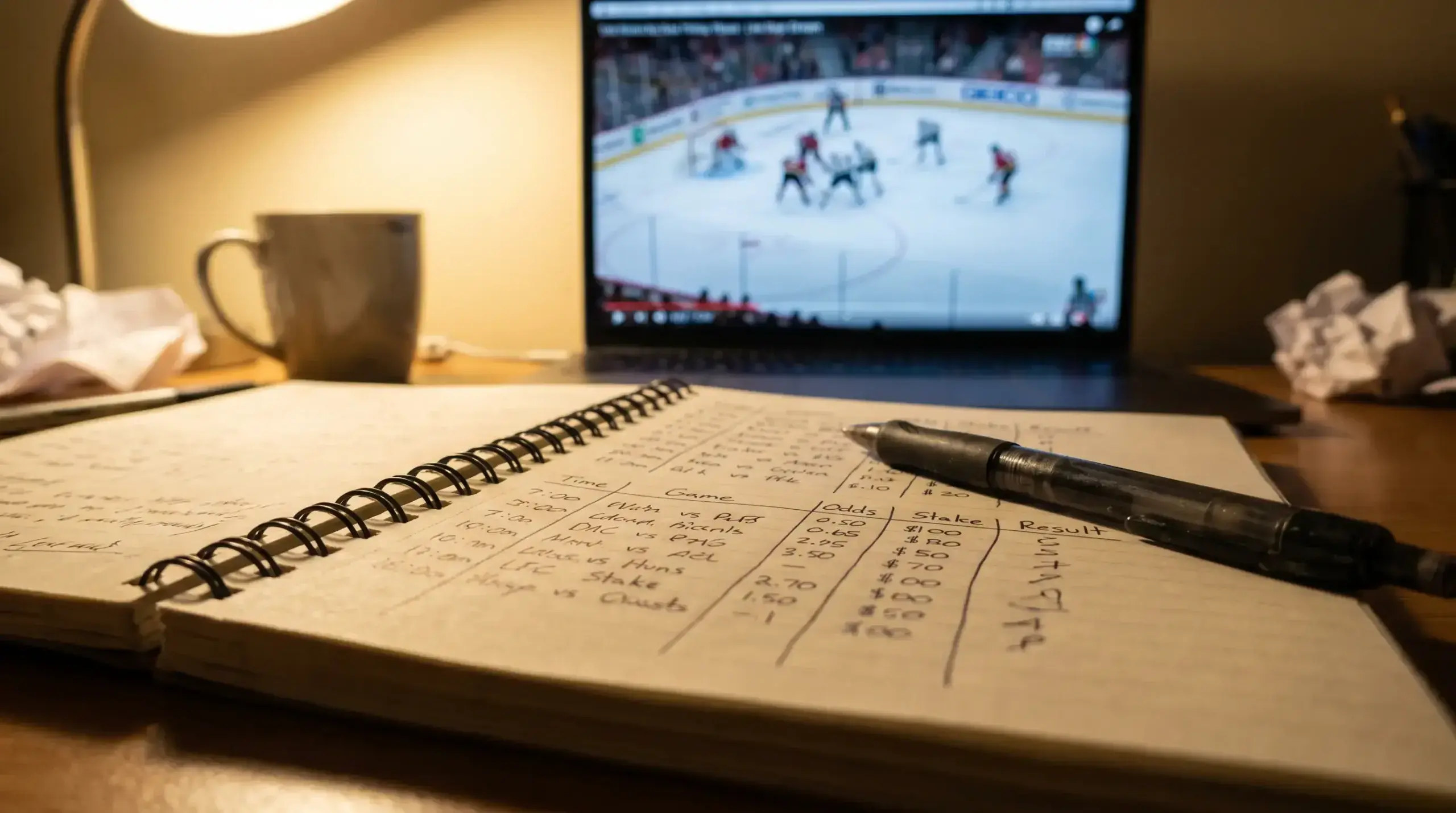
Rule four: review every live bet the following morning. I log each bet with the time it was placed, the score at the time, the odds, the stake, the result, and a one-sentence note on why I placed it. The notes are the most valuable part. After a few weeks, patterns emerge — I tend to overbid on momentum reads in the first period and underbid on third-period overs, for instance. Those patterns become the foundation for refining the process. Without the log, live betting is just watching hockey with your wallet open.
Which UK Platforms Offer the Best Live Hockey Experience
The gap between the best and worst UK platforms for live hockey betting is wider than most punters realise. Remote betting generated GGY of $2.4 billion in the UK across all sports, with football and horse racing dominating the volume. Hockey is a niche, and some bookmakers treat it accordingly — minimal live markets, slow updates, no period-specific betting.
What I look for in a live hockey platform is threefold: market depth, update speed, and cash-out availability. Market depth means having access to period winners, period totals, next goal, and puck line in-play — not just the match winner. Update speed is critical because a two-second delay in odds adjustment can be the difference between grabbing a value price and watching it vanish. Cash out lets me lock in profit or limit losses mid-game, which is essential for the hedging strategies I described earlier.
Coverage also varies by league. Most major UK bookmakers offer comprehensive live betting for NHL games, particularly evening fixtures that align with UK viewing hours in the late evening. EIHL live coverage is improving year on year as the league’s popularity grows, but it remains inconsistent. Some platforms offer full in-play markets for EIHL weeknight games; others only carry pre-game odds and suspend the market at puck drop. If EIHL live betting is important to you, check the platform’s coverage before committing.
One practical tip: do not rely on a single platform for live betting. I keep accounts with three bookmakers and toggle between them during a game to find the best price for each live bet. The price differences in live hockey markets are larger than in pre-game markets because each platform’s algorithm reacts slightly differently to game events. A five-second gap in reaction time between two algorithms can produce a meaningful price difference, and being on the right platform at the right moment is the simplest edge available in live betting.
The quality of the live streaming or data feed offered by the platform also matters. Some bookmakers provide integrated live stats — shot counts, faceoff percentages, power play time remaining — alongside the betting interface. Having that data on the same screen as the odds saves precious seconds of context-switching. Others offer only a basic scoreboard and ask you to source your own data externally. For serious live hockey betting, the integrated platforms are worth using even if their pre-game prices are marginally less competitive, because the speed and information advantage during play more than compensates.
